Colorado state officials on Wednesday released a list of 46 gas stations that reportedly received gasoline tainted with diesel.
The mishap last week led to about 600 complaints from customers. Tainted gasoline can significantly damage vehicle engines. The gas stations were located in cities from Aurora to Breckenridge, Firestone, Colorado Springs and others.
State officials said all the contaminated fuel has been recovered and that gas stations have resumed selling untainted fuel. They anticipate that any vehicles that were filled with the diesel-mixed gasoline will have presented issues by now. The department is continuing to accept complaints.
Fuel contaminated by diesel started to arrive at gas stations across the state last Wednesday, Jan. 7, and may have been sold until the following day.
State officials said the incident began at a Sinclair-owned gas distribution center in Henderson, Colo., where diesel may have contaminated gasoline that was loaded onto tankers for distribution.
In a statement, Sinclair said that “the issue was isolated and affected bulk customers and distributors were notified immediately. We are conducting a thorough review and taking appropriate action.”
Some drivers said they faced repair bills in the thousands of dollars. The state has advised customers to seek reimbursement from the retailers where they got the tainted gas.
What should I do if my vehicle was damaged by contaminated fuel?
First of all: Don’t drive it.
“If you do catch it right away, try not to run the vehicle, park it, and then get it towed to your nearest repair facility,” said Peter Schiavoni, a service advisor at the Denver area auto shop chain Urban Autocare, in an earlier interview with Denverite.
“Or if you do catch it late or it is not running correctly or the car does begin to stall out and die, get it to your local repair facility as quickly as possible and then they can go forward and try to either flush or assess those components,” he added.
Customers also should seek reimbursement for damages and related expenses. The state has advised customers to get in touch with the retailers where they got the tainted gas, with receipts on hand if possible. From there, the gas station is supposed to work with Sinclair on the reimbursement process.
The reimbursement process is entirely between the consumer and the retailer. State officials said their job is to gather complaints and make sure retailers are aware of their responsibility to the consumer.
“These smaller retailers, it would not be unusual if a consumer returned to a retailer and they are either unaware of the contamination or unclear on what are the next steps to receive the consumer complaint,” said Cher Haavind, deputy executive director for the Colorado Department of Labor and Employment. “That's our priority within the division right now is making sure that those smaller owners are aware, they do have an obligation to receive the complaint.”
State officials said if gas stations aren’t cooperating with their claim to get in touch with the Division of Oil and Public Safety.
Contamination was seen across the metro area and even in the mountains.
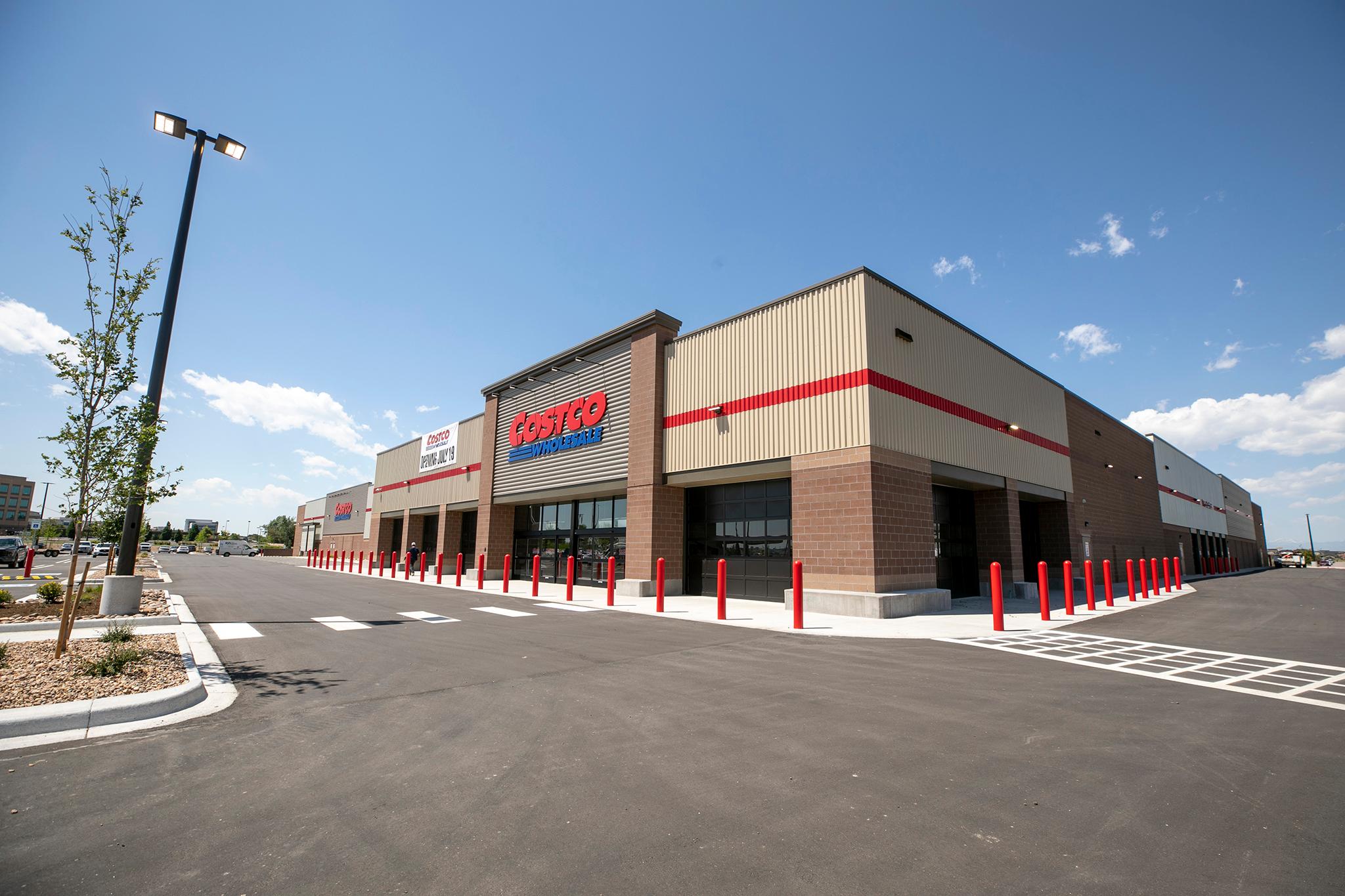
Many of the affected gas stations were operated by major retailers like Costco, Circle K, Safeway and King Soopers.
The affected gas stations were mostly concentrated along the Interstate 25 corridor. A majority were in the Denver metro area, though a handful of stations in Fort Collins, Colorado Springs, Conifer and Breckenridge were also impacted.
The Western Slope and Eastern Plains were not affected. The farthest south the contaminated gas was distributed was Colorado Springs.