High turnover. Low pay. Unaddressed trauma. Too little training. Understaffing.
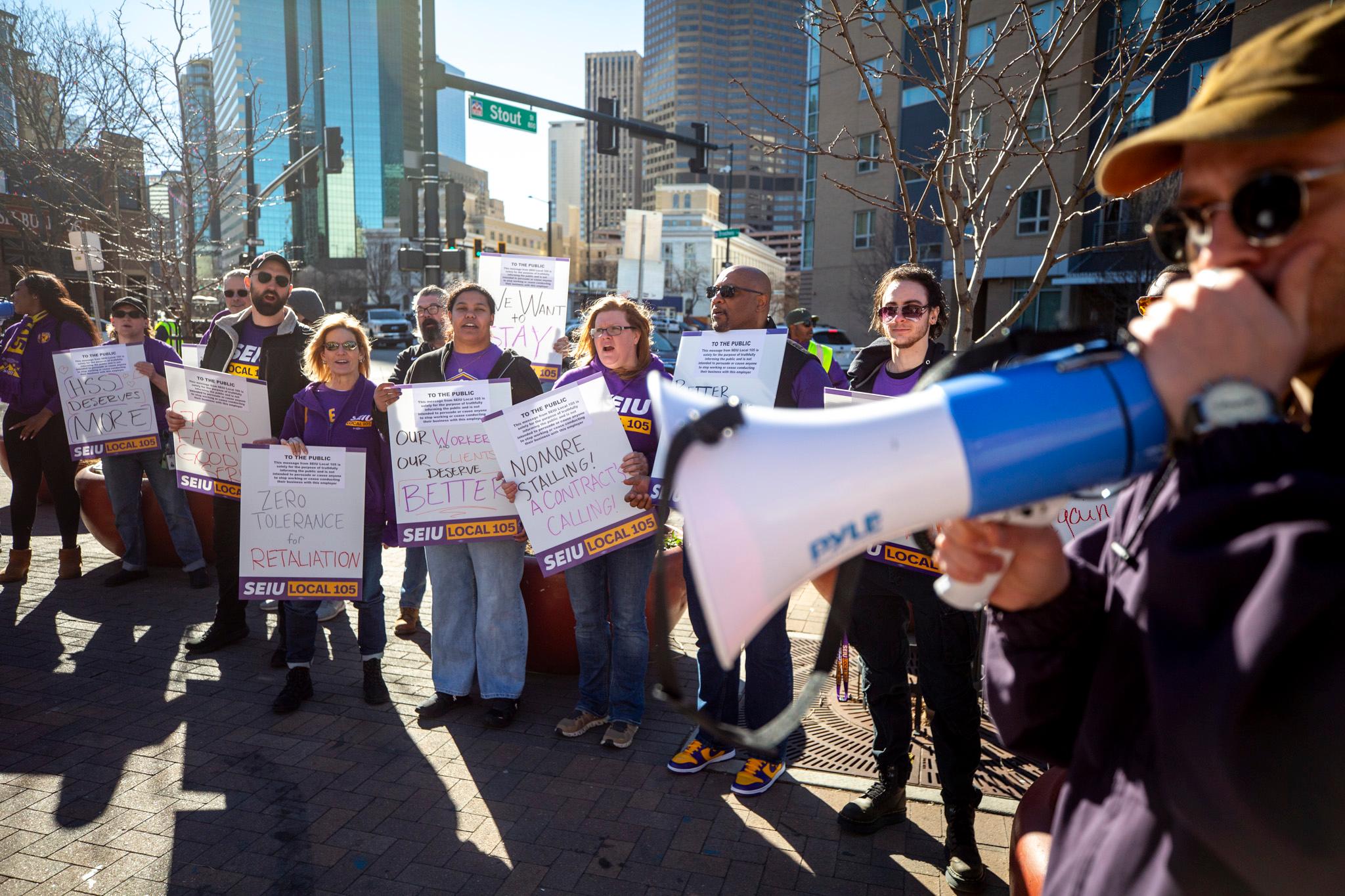
These are some of the complaints Colorado Coalition for the Homeless frontline workers who have unionized with SEIU Local 105 raised at a lunchtime demonstration in front of the nonprofit’s headquarters on Thursday.
For three years, case managers and other support staff have been organizing for collective bargaining rights. Now that they have them, they are at the negotiating table with Coalition leadership, working on a contract.
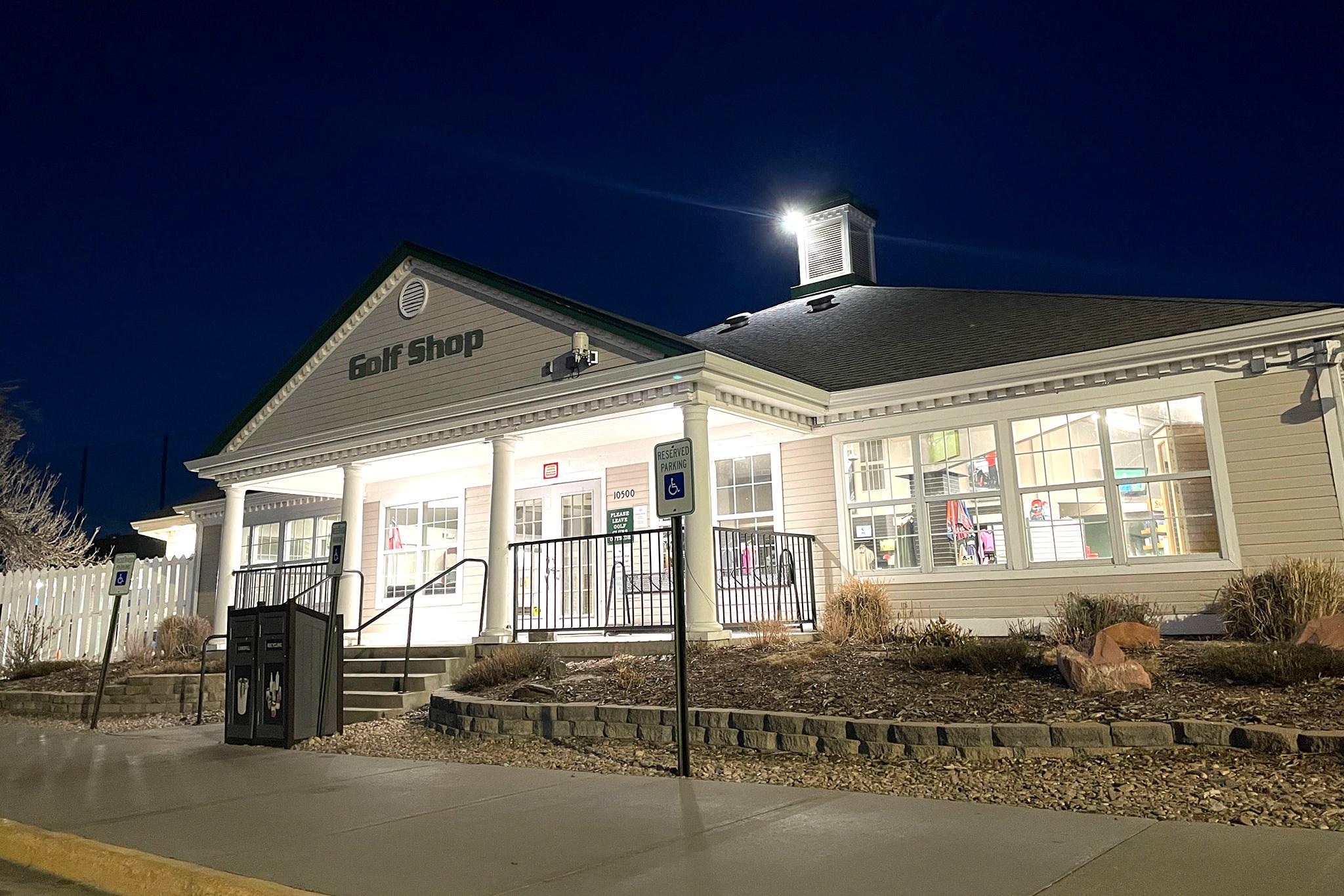
The Coalition is one of the largest homeless nonprofits in Colorado, employing 850 people. The organization helps people living on the streets, in shelters and in long-term housing, builds affordable housing and runs Stout Street Clinic, a medical center for unhoused people.
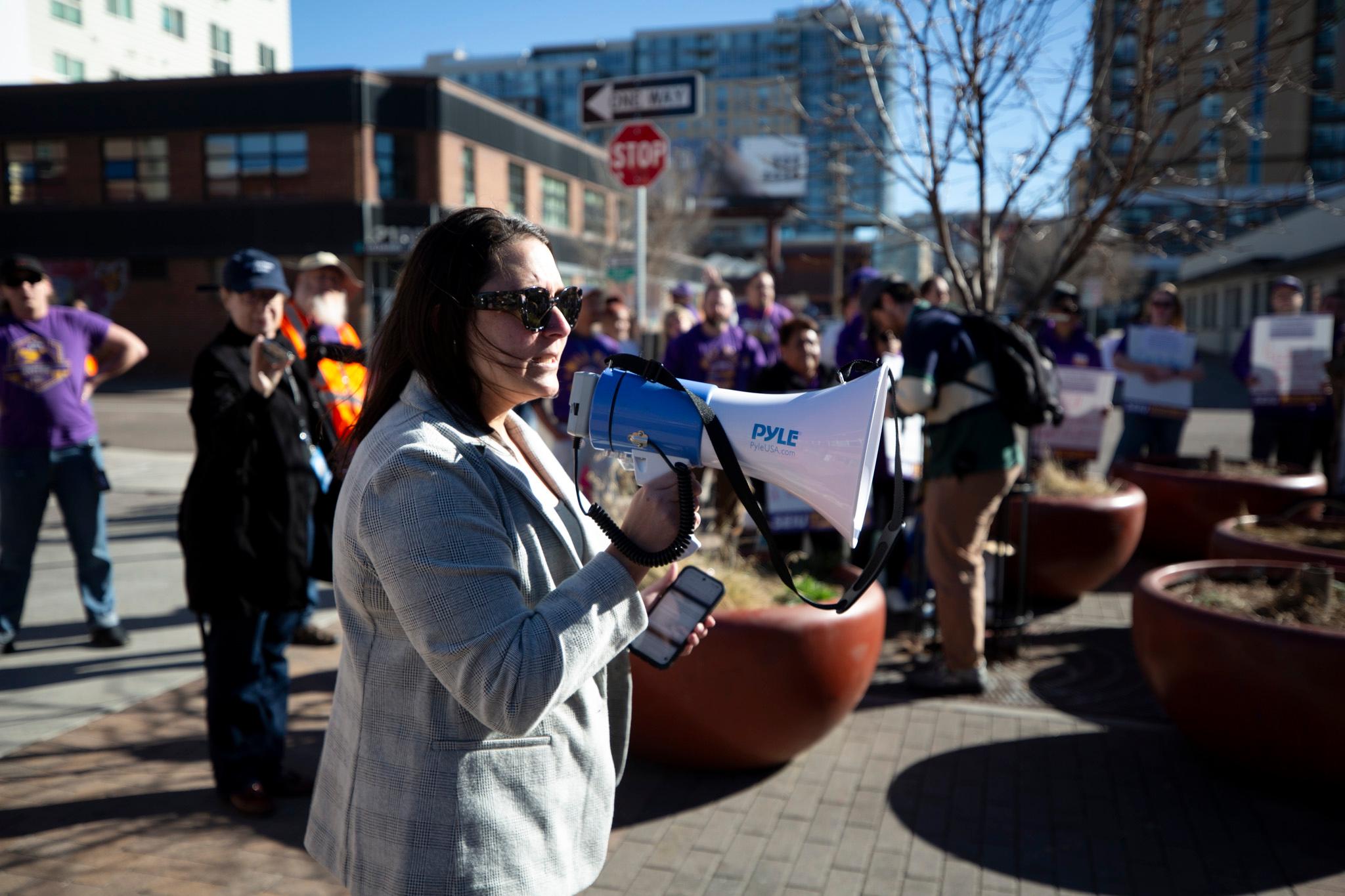
Maggie Rosen, a behavioral health clinician who's part of the bargaining committee, told Denverite the process is going slowly.
“We are grossly underpaid,” Rosen said. Staff gained bargaining rights last January and have been negotiating for nearly a year.
Coalition leaders say they want to address the complaints.
“It is definitely something we've heard from staff,” Coalition spokesperson Cathy Alderman told Denverite in an interview. “And it is absolutely something that, as an organization, we are working to address both for our unionized staff through the collective bargaining agreement process but more broadly across the board.”

But that process takes time. And because so much of the Coalition’s funding comes from government contracts, wages can only be raised so quickly, Alderman said.
Case managers outside Denver start at $18.86 an hour, according to recent job postings. In Denver, they start at $20.64. Case managers work with 30 to 40 individuals at a time, helping them navigate everything from housing, shelter, healthcare, therapy and more.
CEO Britta Fisher made about $350,000 in compensation, according to CCH’s 2024 tax filings. Ten employees made more than $200,000. About $2 million was spent on executive compensation, representing just less than 2 percent of the organization’s spending in 2024.
Rosen said there are large wage disparities between people who do the same job.
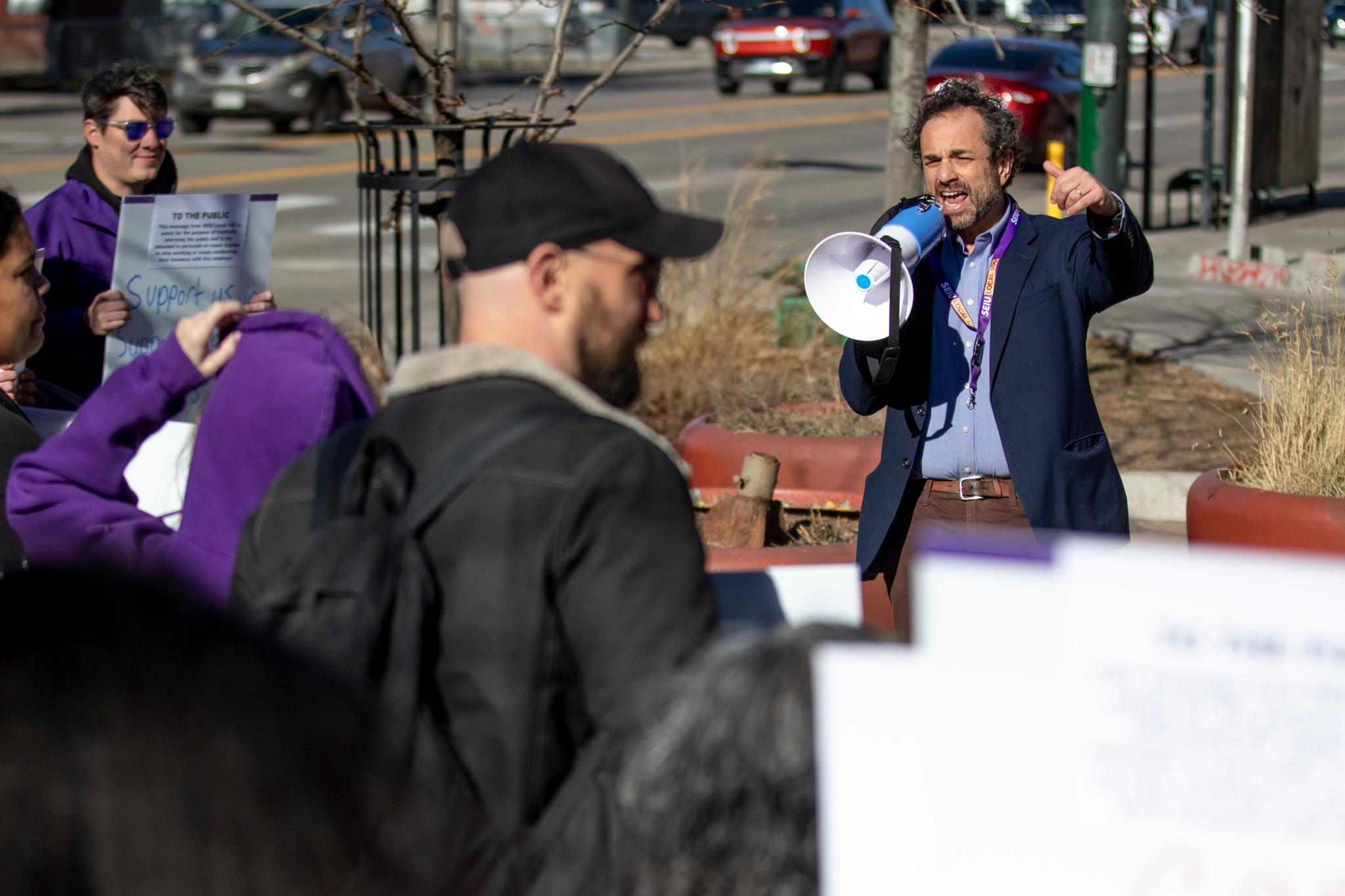
The union also wants the organization to provide paid trauma leave and other support for staff who have had challenging experiences. Staff often are on the frontlines of Denver’s social crises, helping clients struggling with addiction, domestic violence and mental health issues. Sometimes they lose clients who die on the streets. Grief is part of the job.
Organizers say labor issues don’t just affect them: People experiencing homelessness suffer as a result of how workers are compensated and treated.
“What I've seen in my time here is, of course, egregious turnover and burnout, because we're being exploited by a system which expects us to do everything but provides us with very little support,” said Ellie Henry, a caseworker. “When that turnover happens, clients lose the support that they've had for years and years. It makes them lose trust in the system and makes it harder for the next person to connect with them.”
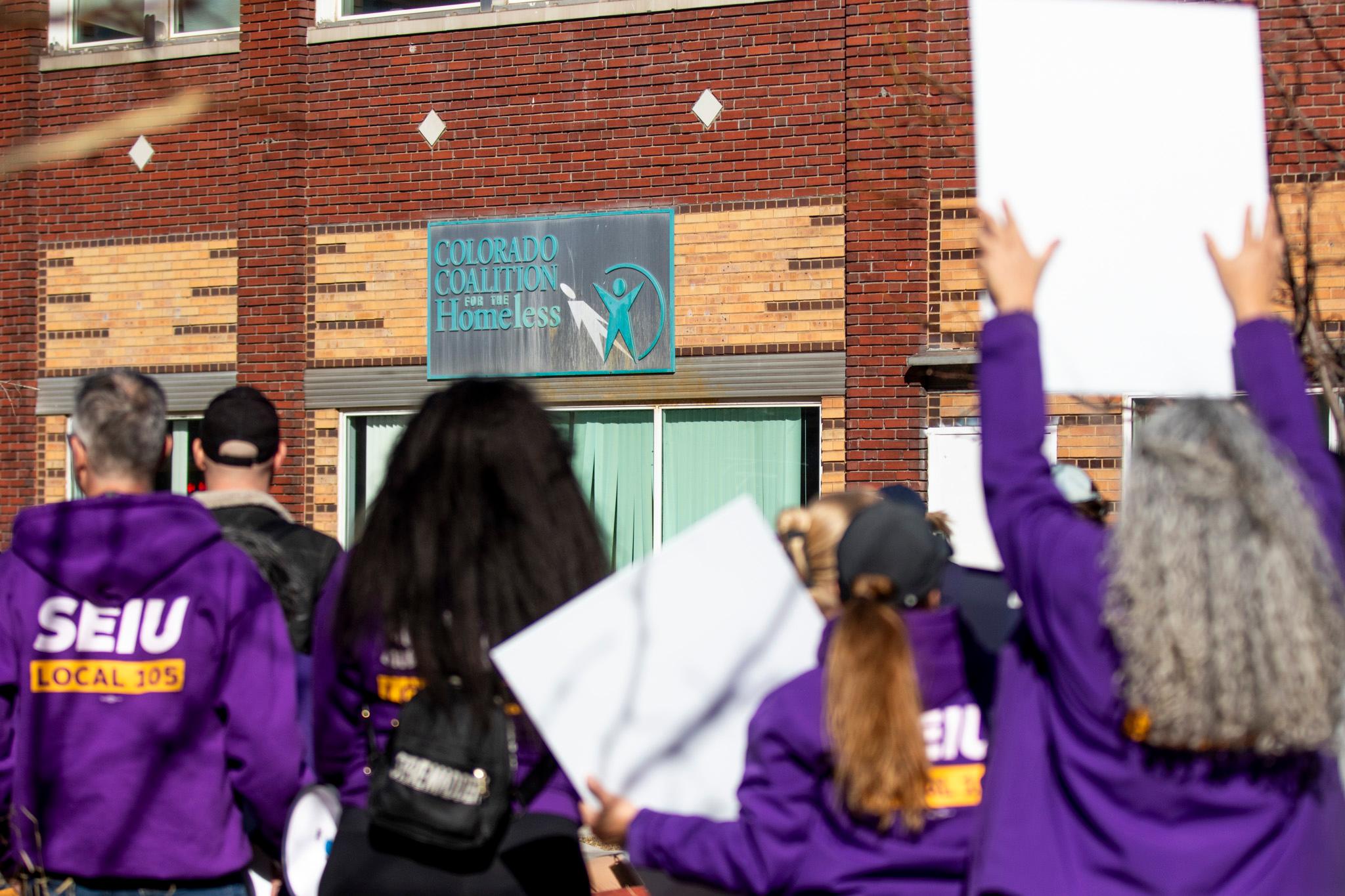
This isn’t lost on leadership.
“We absolutely recognize that turnover is disruptive to our ability to provide the services that we provide and to staff morale and so we take it very seriously,” Alderman said.
Alderman said negotiations have been going on for several months and could last for more than a year, though she said the organization is negotiating in “good faith” and hopes to come to a resolution sooner.