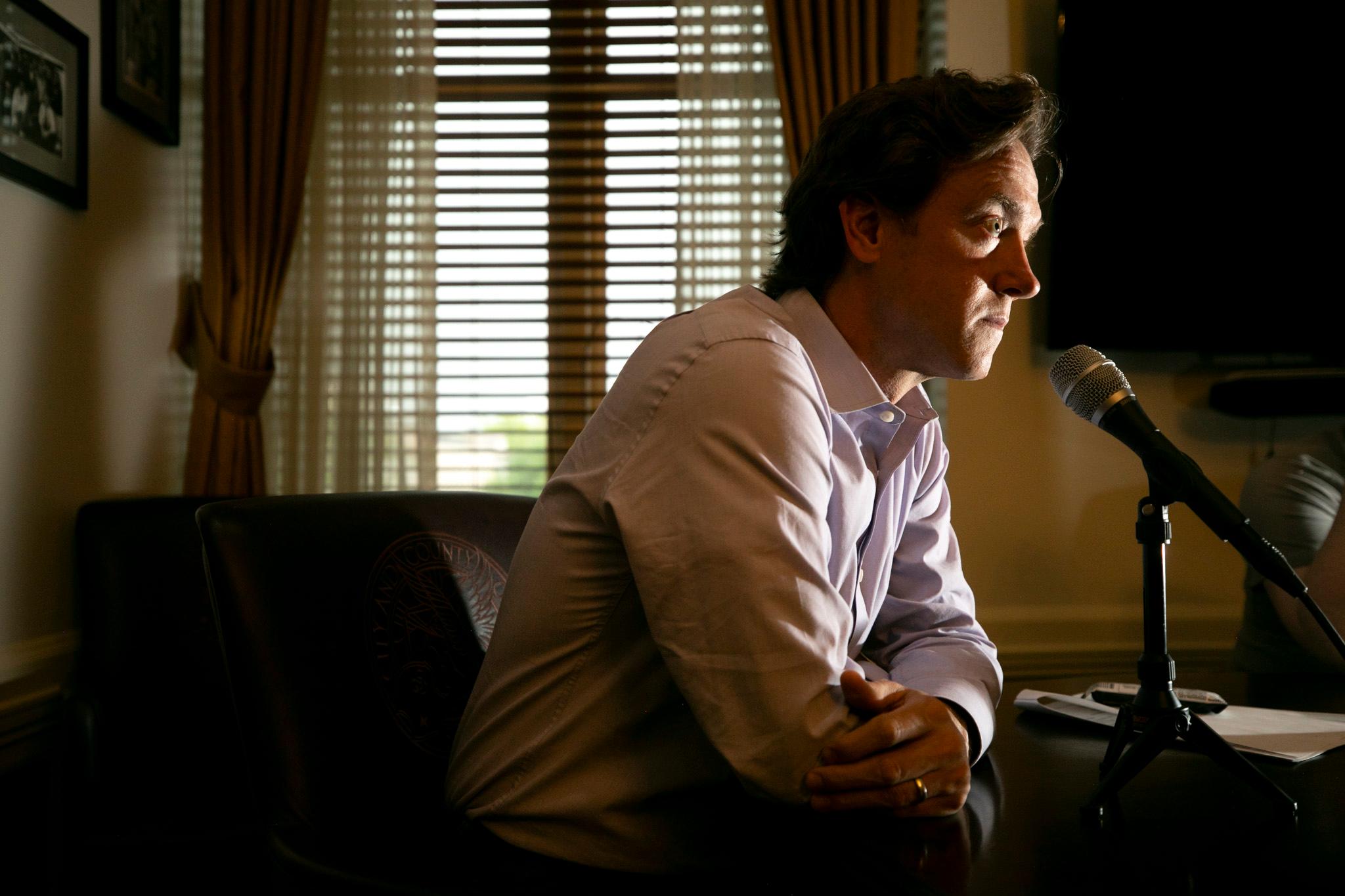
Rent in Denver is dropping because the city is embracing pro-growth policies to get more housing built, Mayor Mike Johnston said in a recent interview with Denverite.
The average rent in Denver is $1,953, a decline of about 7.5 percent from a year earlier, according to Zillow.
“That is a sign that a part of our strategy is working, on adding a lot more supply,” Johnston said.
He noted that some of the biggest drops have come for the cheapest units, benefiting lower-income renters.
In the same interview, he said that the city’s recent affordable housing law was not yet proving effective, though he said he is committed to building income-restricted housing.
“We're working to add a lot more supply both on deed-restricted affordable units, but we also want to add a lot more supply on all units,” he said. “I think we'd like to continue to see rents stabilize or drop and particularly among the most cash-strapped renters.”
Slowing development is one of the mayor’s ‘biggest fears’
The city will have to try harder to encourage continued housing development, Johnston said.
Rents began to drop as a huge surge of nearly 19,000 new apartment units opened around the Denver metro in 2024. But construction was expected to slow by more than half in 2025 — something the mayor said is one of his “biggest fears,” since he blames an earlier construction slowdown for much of the 2020s rent spike.
Johnston wants the city to help developers get projects moving again, saying that they are struggling to finance projects due to high interest rates.
“We have about 20,000 … units that are in our pipeline that have been stranded. Essentially, they applied for them and those permits are not moving. They don't have financing for those deals. So a part of what you'll see us come up with for goals this year is a plan to try to help unstick as many of those units as we can to get them back in the supply again,” he said.
It’s worth noting that rents also are affected by other factors, including a significant slowdown in migration to Denver and Colorado. Many other cities around the region and state also are seeing declining rents.
Johnston wants more density on Colfax, more help for developers
To get more housing built, Johnston said the city will continue its effort to improve the permitting system. He also wants to provide financing to help developers’ deals get “unstuck.”
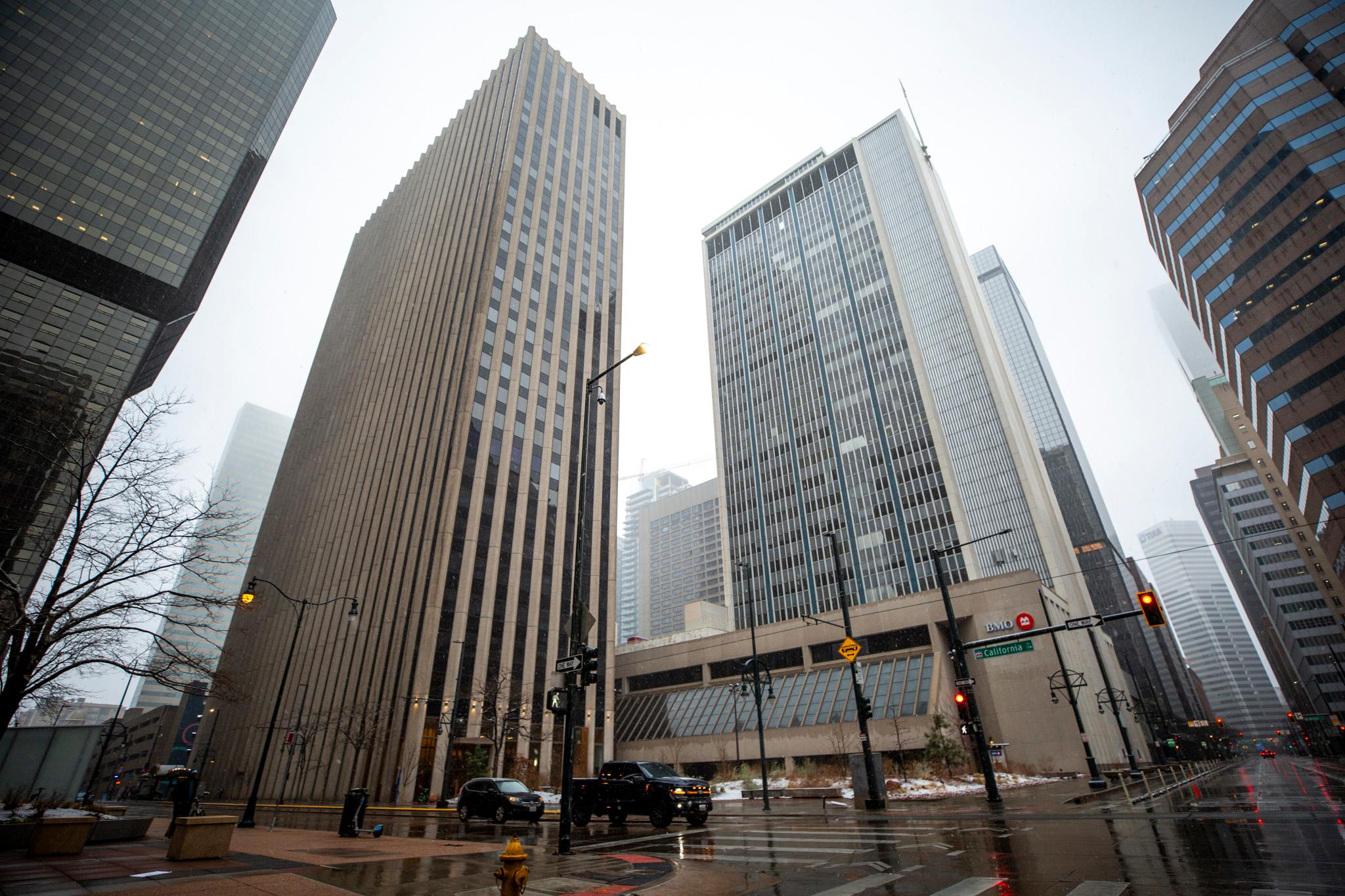
Johnston hopes to see much of that new housing construction along transit corridors like Colfax Avenue, as well as around large projects like the future stadiums of the Denver Broncos and the Summit FC. The Downtown Denver Authority is also spending millions to support the conversion of old office buildings to housing.
The mayor downplayed the idea that the city could upzone lower-density areas.
“What we're trying to do instead (of upzoning new areas) is really push density in the places where we have transit already waiting for that density to arrive,” he said. “We need folks to live on Colfax and decide they're going to commute to work downtown on the bus. And so we want to see a lot of density there. We want to see density along our light rail corridors.”
The city also recently passed a law to abolish parking minimums and will soon allow “single stair” apartment designs. Both changes are meant to support housing development.
By the way: The mayor’s pro-growth views sound a lot like the “Yes In My Backyard,” or YIMBY, platform. But he hasn’t often — if ever — used the label himself. The mayor’s spokesperson describes him as a “pro-housing pragmatist.”
Affordable housing law may be ‘an obstacle,’ mayor says
On the other hand, the mayor was thoroughly ambivalent about the city’s current approach to affordable housing — a law that requires developers to include designated affordable units or pay a fee. The law was passed in 2022, but it took effect after Johnston became mayor.
“We have not seen that have the impact yet that I think the sponsors hoped that it would have,” he said, blaming the law in part for the construction slowdown. “It has not yet come back. And so we're worried about that. … So I think best of intentions on that design and we want to try to help make it successful.”
Some have described the law “as an obstacle,” he said, “and we'll try and see if we can help them get around it or help them figure out how to make it work.”
Still, he said, he had no plans to try to repeal the law.
“What new tools can we add?” he said. “We're not focused right now on which ones we can remove or take away.”