Updated at 11:53 a.m. on Friday, Jan. 23, 2026
Mayor Mike Johnston told Denver City Council on Friday morning that, despite objections, the city would open an emergency winter homeless shelter in the ballrooms at 4040 Quebec Street, a former DoubleTree hotel, on Friday. Read the full update.
Our original story continues below.
Mayor Mike Johnston’s administration says the city is struggling with a shortage of emergency beds in its cold-weather shelters ahead of single-digit temperatures arriving this weekend.
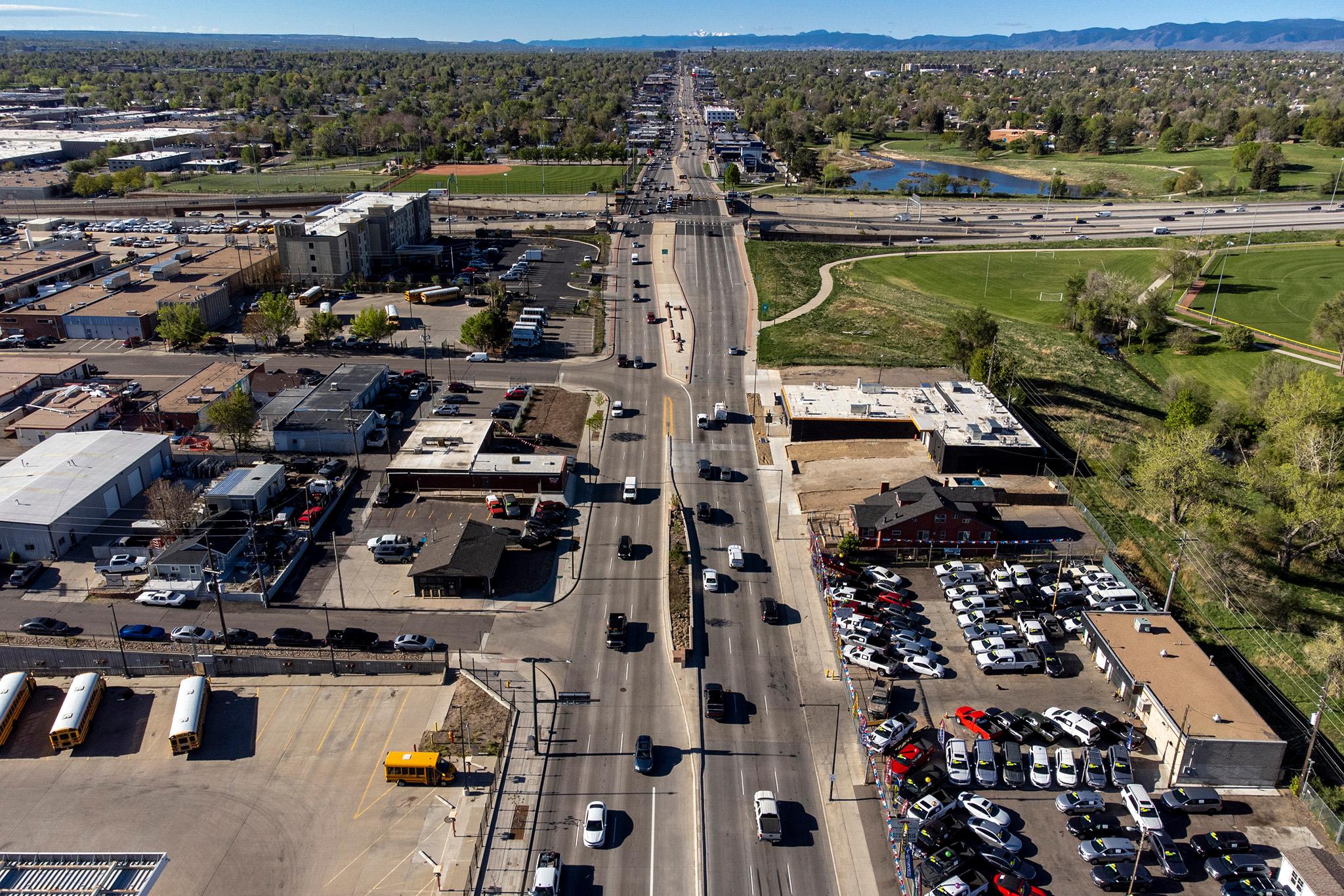
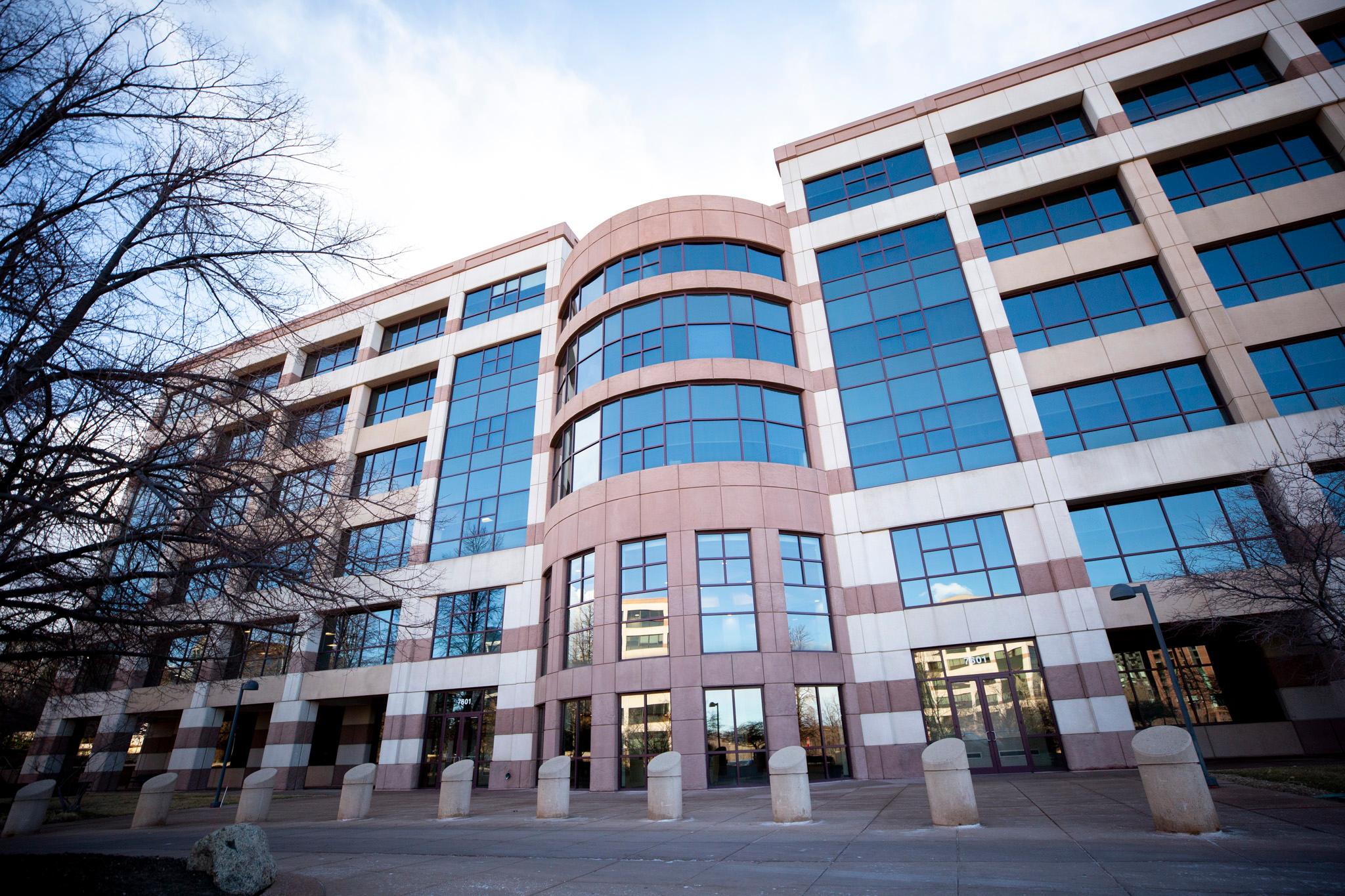
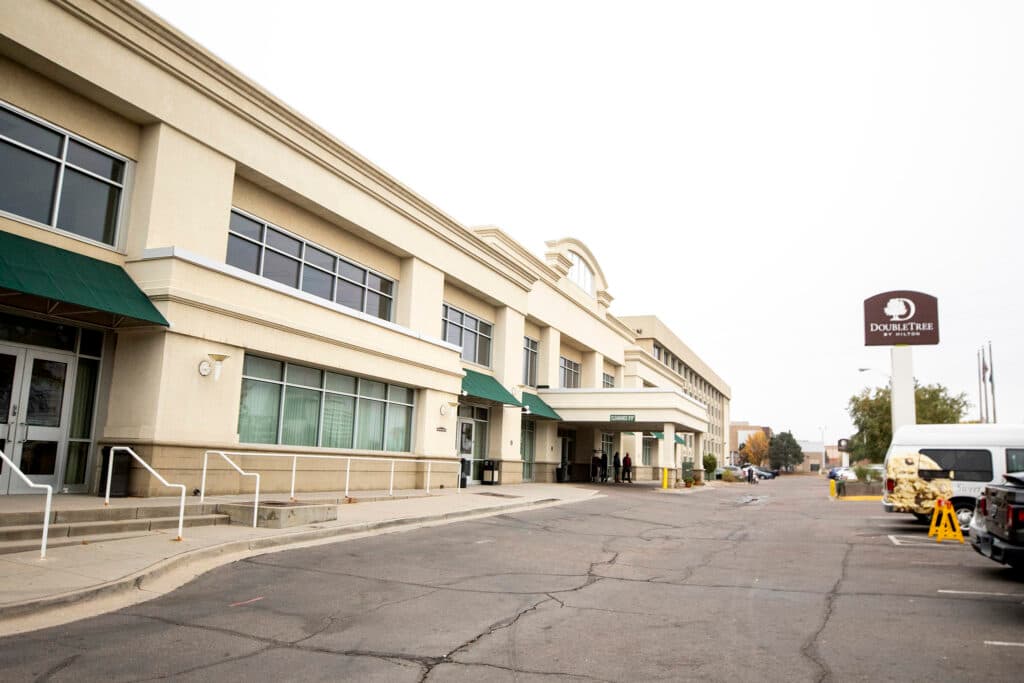
Last month, Denver City Council members rejected a proposal to run a cold-weather shelter at a former DoubleTree hotel at 4040 Quebec St. that Urban Alchemy operates as a long-term non-congregate shelter. The argument is an old one: The city had launched too many homelessness services in northeast Denver, concentrating poverty in an already struggling council district.
“It's not the only pathway in which we can provide cold-weather shelter,” Councilmember Shontel Lewis, who represents that area, told Denverite.
The mayor, she said, has an obligation to figure out a fix that does not rely on her district.
The council’s decision took about 250 cold-weather beds city officials said were used in previous years off the board, leaving the city with 670 in total.
Now, the administration is pushing the council for a fix while figuring out what to do if the current shelters overflow.
“We're trying to maximize space wherever we can,” said Jon Ewing, the mayor’s spokesperson. “We've never turned anyone away. We have no intention of doing that this year. But, yeah, we're running up against some capacity issues.”
The city’s cold-weather shelter program allows people who are staying outside to come into a group shelter when temperatures drop and year-round shelters risk filling up.
Lewis said the mayor has had three years to figure out a fix and needs to take responsibility instead of punting it onto council.
A rare alliance
Amid the political squabbling, a coalition of advocates wrote city officials on Tuesday to demand the city open the shelter, arguing the council’s vote is putting hundreds of houseless people in danger by denying them easy access during cold weather.
The DoubleTree makes good sense, they argue.
“This location is prime for serving the need as countless houseless people are living in this area on the streets,” Housekeys Action Network Denver, Mutual Aid Monday and Together Denver wrote in a joint statement. “Depending on periodic cars to pick people up from this area and take them to other cold weather shelters leaves countless people on the streets as they miss the ride or don’t know it is there.”
Longtime mutual aid activist Brian Loma takes a slightly different view
“This is a citywide issue, and we cannot force it into one district,” he said.
It’s wrong to concentrate solutions in District 8, and the mayor has had years to come up with a better, more equitable solution. In that, Loma said, Johnston’s failed.
With the mayor’s push to end encampments and the city’s aggressive removal of tents, unhoused people have lost their winter gear and will be trying to survive without cover, advocates wrote.
Lewis led the charge to vote against the contract, arguing the city has opened too many shelters at the border of Northeast Park Hill and Central Park — an area rich in underused hotels built when the Stapleton Airport was operating — and not enough in wealthier parts of the city.
But Cole Chandler, the mayor’s senior adviser on homelessness, told council members cold temperatures are threatening the lives of people living outside in her district.
“Part of what we've seen is more people staying outside, not coming inside during extreme cold weather, especially people that are living in northeast Denver,” Chandler said at a meeting last week.
Lewis argues the mayor failed to live up to his promises to distribute shelters throughout the city.
“The mayor made a commitment in 2023 that the Best Western, 4040 Quebec and the Comfort Inn would not be used for cold-weather sheltering,” Lewis told Denverite. “He made that commitment, and he has gone back on that and opened up cold weather sheltering at 4040 Quebec, and didn't even tell me about it.”
Lewis said the space being used for shelter was originally supposed to be a navigation center where people in long-term housing could access services. The administration failed to do that, she said, leaving people without critical resources.
Advocates plan to take action if the city doesn’t open the DoubleTree for cold-weather shelter.
Advocates took winter gear to the shelter Thursday afternoon in an effort to save lives they say the city council is endangering.
Amy Beck, one of those advocates, is sympathetic to Lewis’s push for the Johnston administration to spread homelessness response across the entire city as he initially promised to do. But she is concerned about the council playing political chess with people’s lives in a cold-weather emergency.
“In subzero temperatures, that's putting the lives of our unhoused community at risk,” she said.
Beck is optimistic that the city council will change its mind and open the shelter Thursday night.
“We would rather not hand out tents and blankets to people that are not allowed inside,” Beck said. “However, that's what we are going to do this afternoon to keep people safe.”
Lewis maintains the mayor needs to find another option.
Loma said he’s protesting – and his demand is that the city open cold-weather shelters elsewhere.
The time, advocates say, is now.
Denver is on the cusp of its first lengthy cold-weather shelter activation of the year. And with temperatures dropping into single digits, the city expects it will need to open up additional space somewhere.
In past years, that has been the National Western Coliseum, but the building is currently occupied by the Stock Show. Recreation centers have also been used for shelter, as has the McNichols Building in Civic Center Park.
Those spaces are not operated as 24/7 shelters, and during the day, guests are sent back out into the cold, where they are at risk of frostbite and death.
The city opens its cold-weather shelters when the National Weather Service declares a cold-weather advisory or an extreme cold watch, temperatures are forecasted to drop to 25 degrees or below, or more than two inches of snow are predicted.
Ewing said the city plans to open additional shelters, perhaps in recreation centers, but the city has not decided where yet.
Lewis visited 4040 Quebec St. on Wednesday night and saw cold-weather shelter set up, she told Denverite.
The mayor's office could not confirm whether or not it intended to use the space as shelter or whether it had been set up as of Thursday afternoon.
As the sun started to go down and temperatures dropped Thursday ight, protesters gathered outside the DoubleTree. Advocates handed out food and tents. Media milled about.
Across town, the mayor’s office continued to work on a plan.