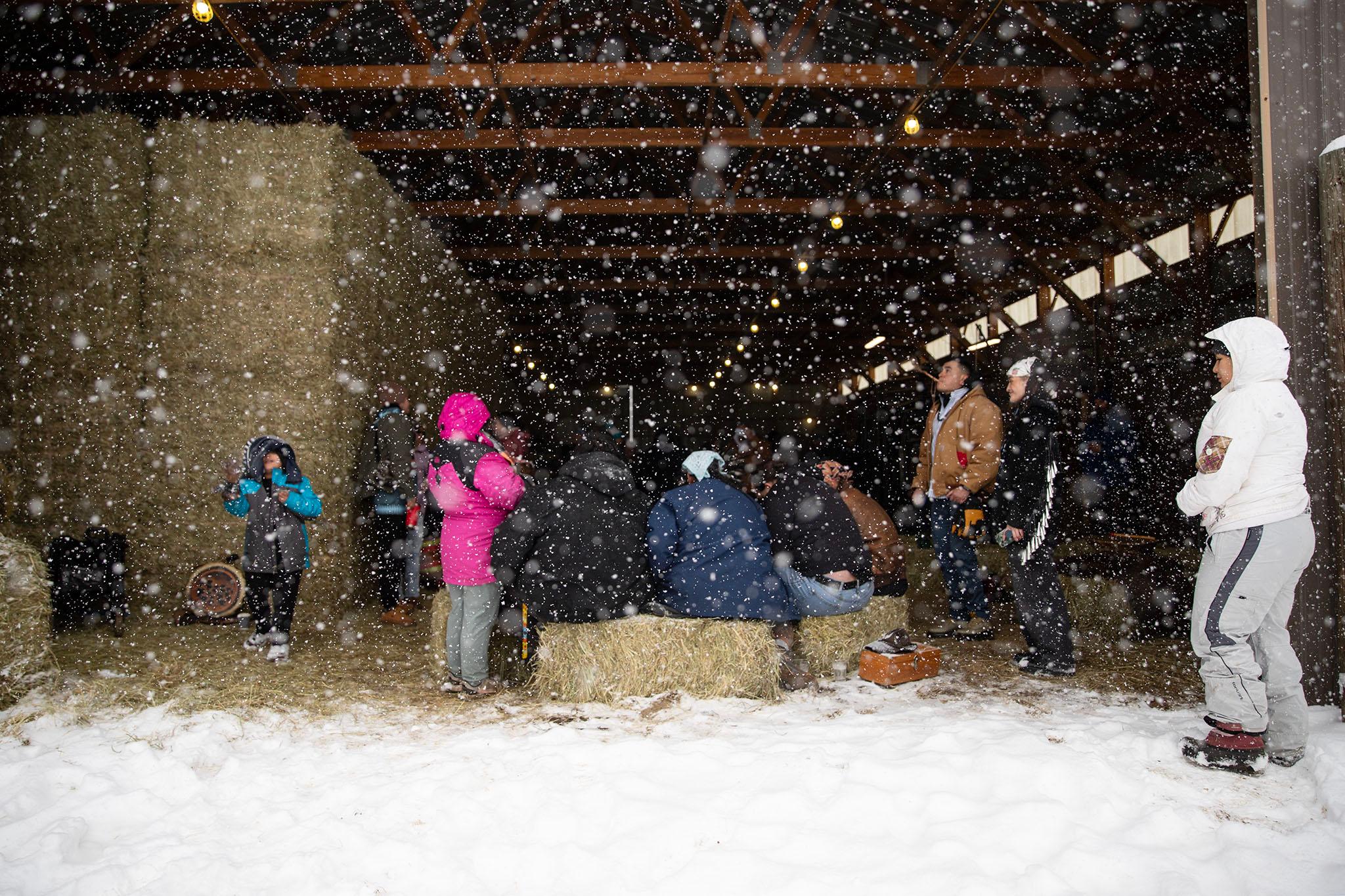
Snow fell in thick flurries across Genesee Park in Golden, settling over the foothills and the iconic herd of more than 50 bison that call the park home — often spotted grazing on along the park’s hillside by drivers along Interstate 70.
The park, which stretches over 2,400 acres outside of Golden, is the largest park in the Denver Mountain Parks system and home to Denver’s very own herd of bison — one of the few herds in the country owned and managed by a city.
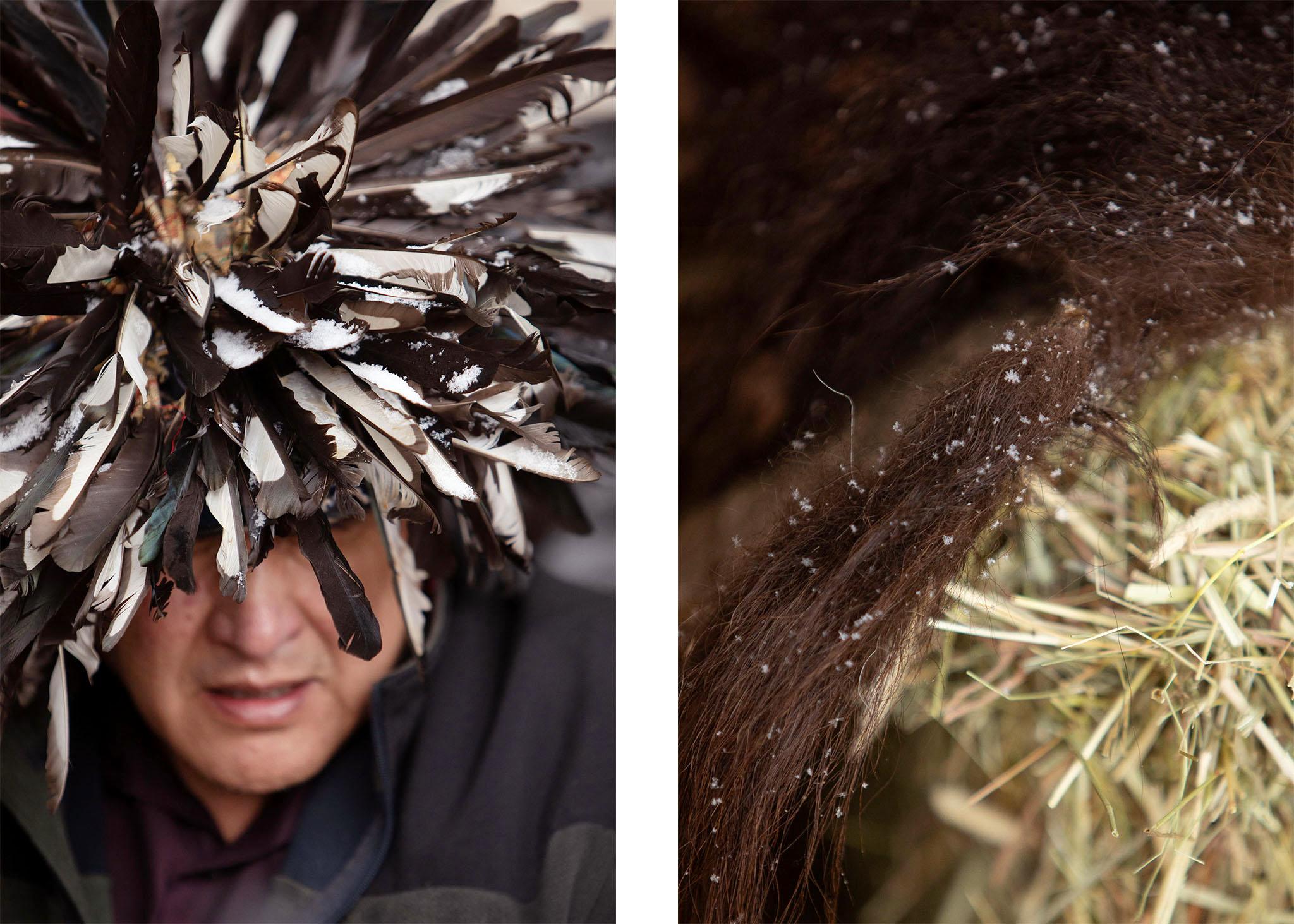
But on Friday morning, instead of quietly roaming the hillsides, 34 of the youngest bison were sorted into pens, their shaggy coats still speckled with snowflakes, and loaded into trailers.
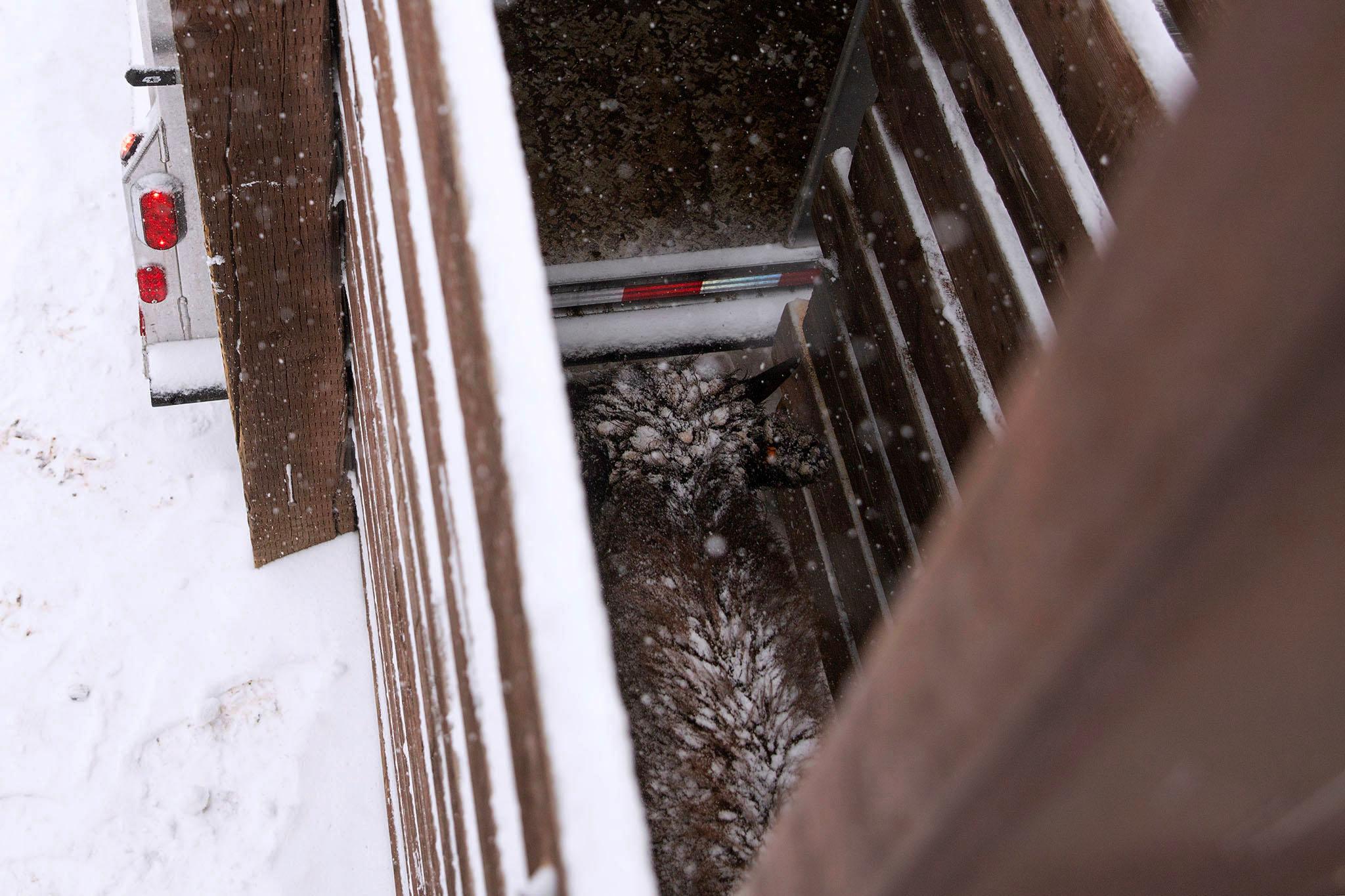
Those bison are headed to Native lands. The huge, furry animals are commonly referred to as buffalo, including in Indigenous communities.
“These buffalo were almost extinct and the same way with our native people,” said Robert Simpson, a councilmember with the Northern Cheyenne Tribe. “We were almost wiped out too. But now we're taking care of our buffalo and we're coming back and our native people are coming back too.”
This is the fifth year the city of Denver and the Denver Parks and Recreation Department has opted to donate its yearlings, or young bison, to Indigenous tribes instead of auctioning them. So far, Denver has given more than 170 bison to 12 tribal nations or nonprofits across the country.
This year, the Northern Cheyenne Tribe and Navajo Nation were the two tribal governments selected by the city to receive the bison.
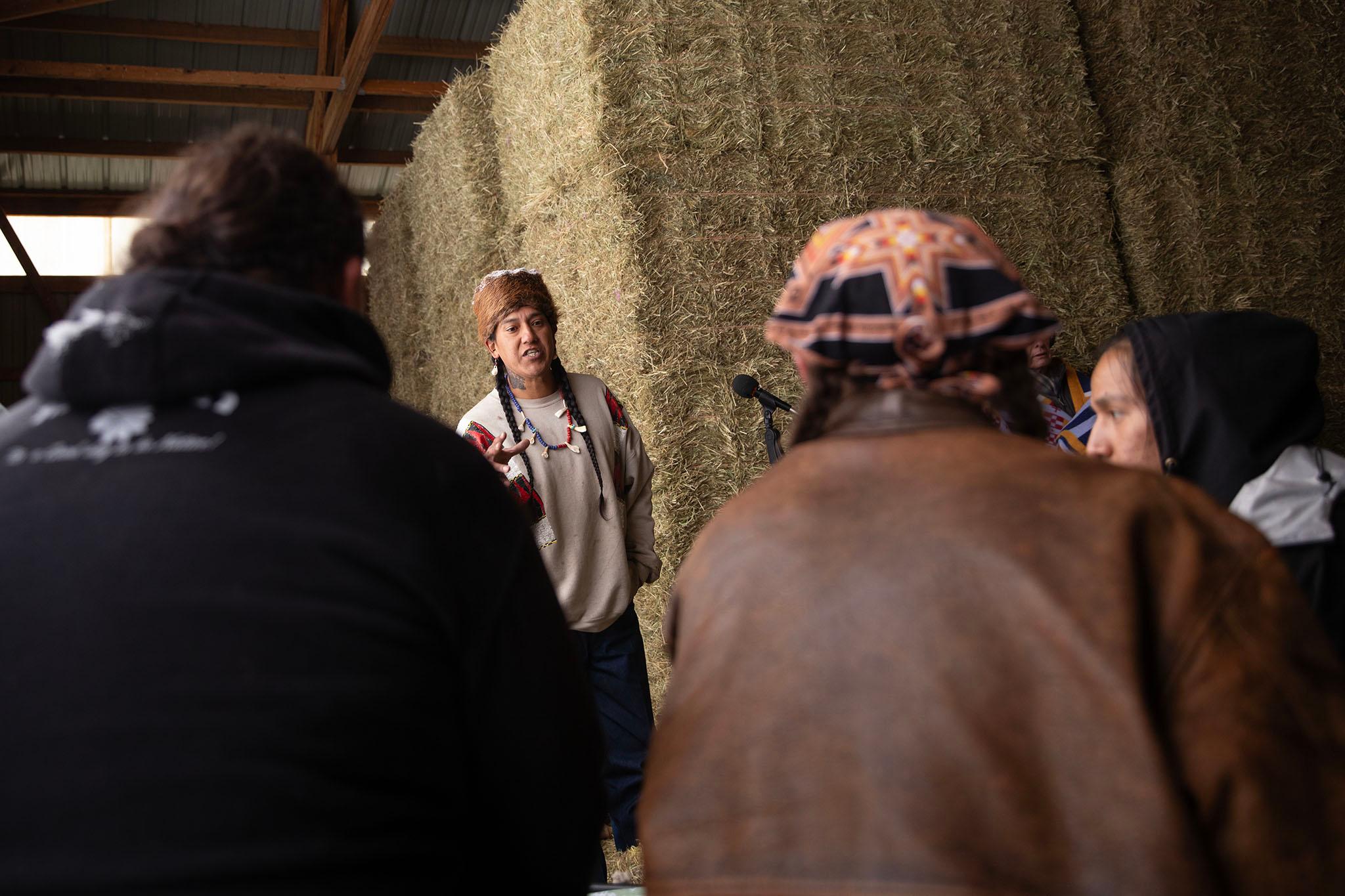
Simpson says that caring for the buffalo is more than just management — it's deeply tied to Northern Cheyenne culture and way of life. For years, the buffalo roamed the reservation in southeastern Montana freely, sometimes tearing fences and causing conflicts with property owners, until the tribe began managing them on a dedicated pasture.
“It seemed like when we started taking care of them, things kind of started getting better for us, too,” he said. “I think it's a big part of our culture and our way of life to take care of these buffalo nation, so we're really grateful.”
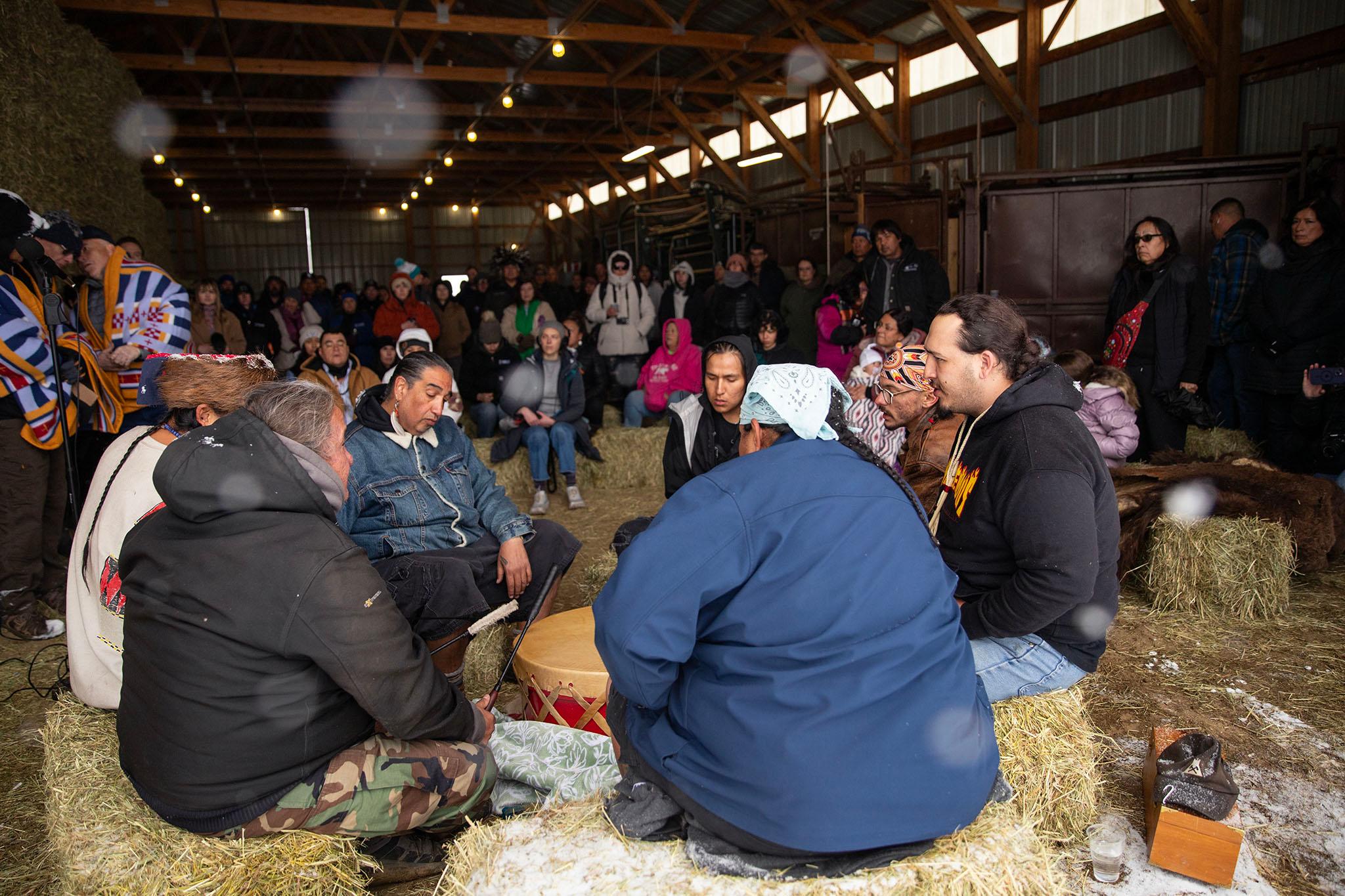
Many tribal leaders and members expressed mixed emotions about the bison transfer — from gratitude and a sense of renewal to sadness and collective grief for the buffalo’s near-extinction and the loss of their land and culture.
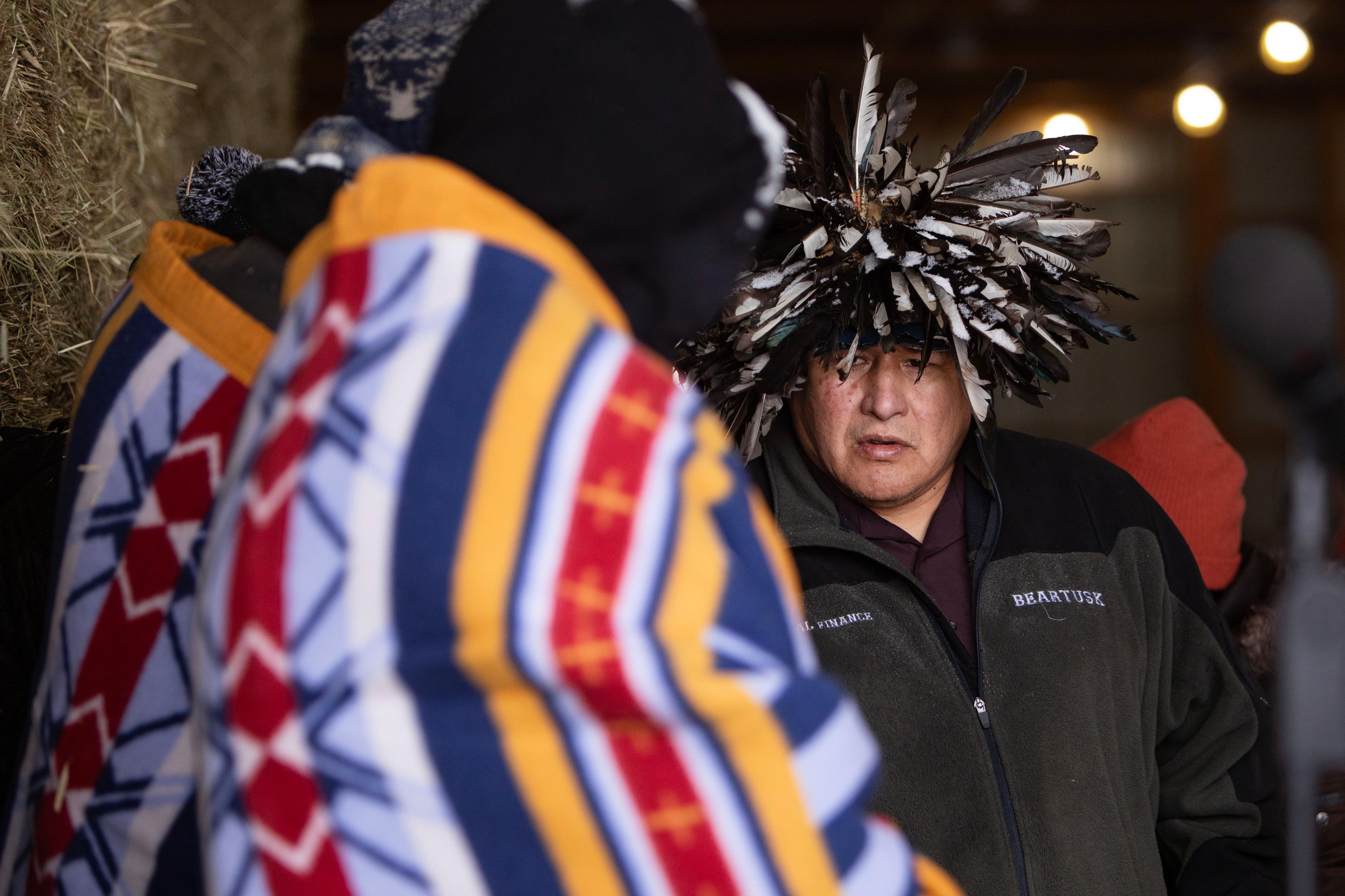
Donovan Taylor, chief of the Northern Cheyenne Tribe, said the day felt sacred.
“It's like a new beginning because they're young buffalo and the young represents our future for the future generations,” Taylor said as heavy snowflakes swirled around him, clinging to his clothes.
For him, the snow was more than weather; it was part of the day’s meaning. Throughout much of the Mountain West, this winter has been marked by record-low snowfall and a historically low snowpack. So, he said, it didn’t feel like chance that the snow began falling as the buffalo were being loaded to start their journey to the reservation.
“It's a blessing,” he said. “That's also needed too, because where [I live] we have no precipitation and we're getting precipitation here, so that's a good sign.”
Though Mountain Parks Director Shannon Dennison and Mayor Mike Johnston have called the annual donation program a success, it is scheduled to end in 2030. Stacie Gilmore, Denver City Council member and wife of Scott Gilmore — the former deputy executive parks director who started the program — wants to make it permanent.
“I think it's been so wildly successful on every level that we are all so excited to have the opportunity to present to [the city] council to have this be a permanent ordinance and make this a permanent program,” Dennison said.