Denver lawmakers could change the city’s municipal sentencing laws, aiming to reduce penalties for low-level offenses in local courts.
The proposal comes months after a Colorado Supreme Court ruling in December that struck down municipal ordinances that imposed harsher sentences than defendants would face under comparable state laws.
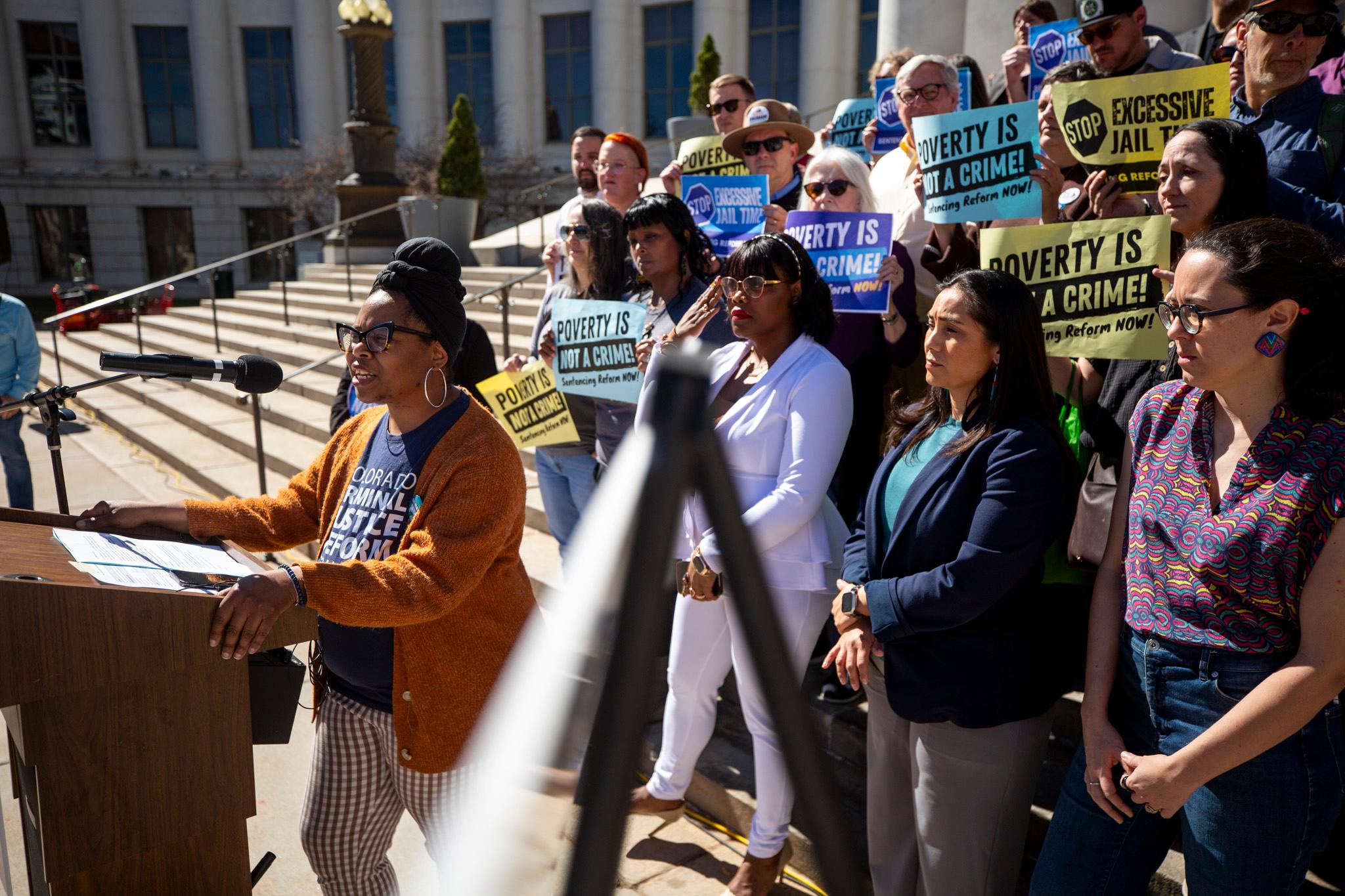
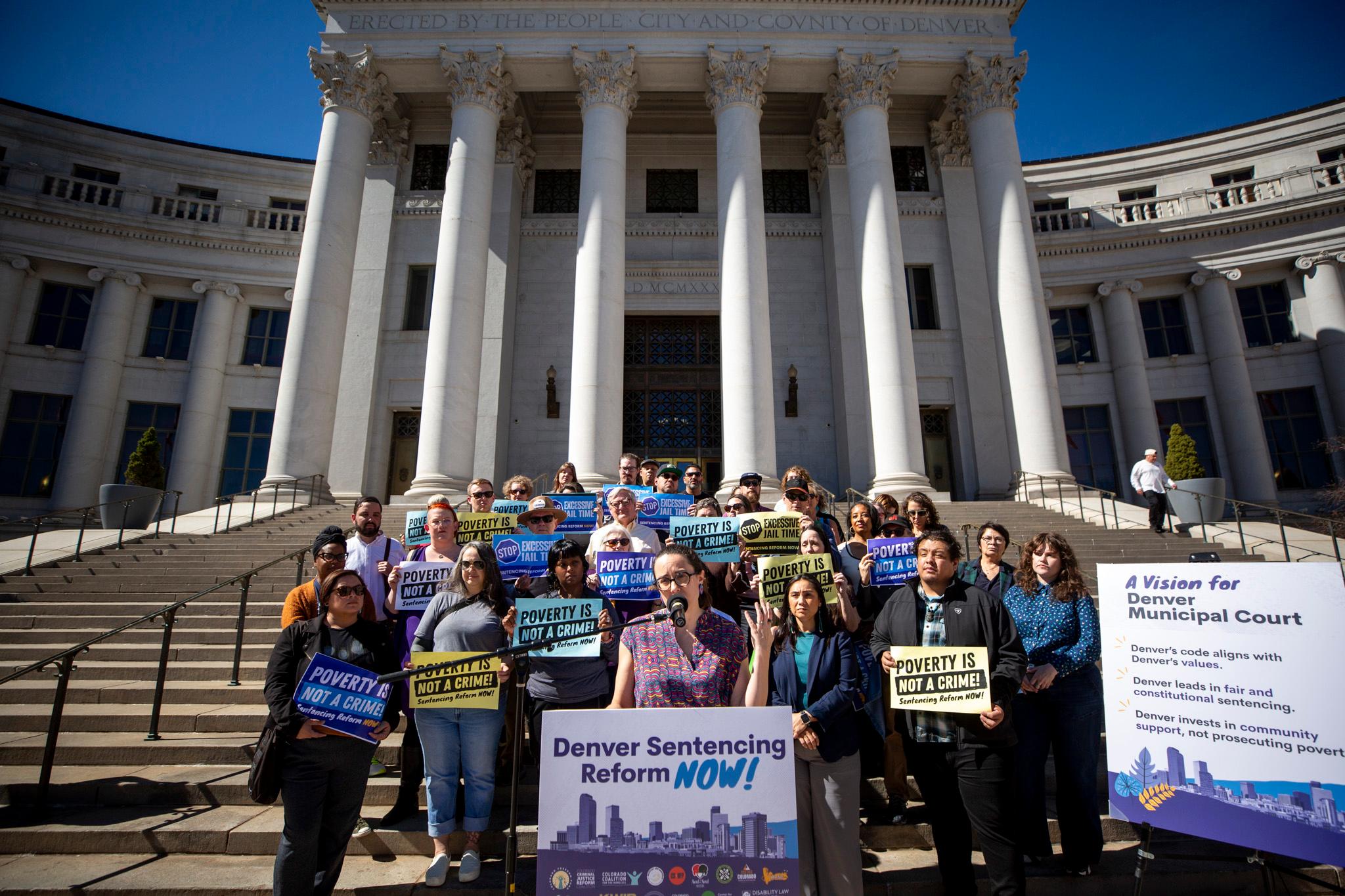
Councilmember Sarah Parady, one of the backers of the proposal, said she and other members have been interested in such a change since 2023. She was joined at the press conference by council members Serena Gonzales-Gutierrez and Shontel Lewis and community advocates.
“It is wrong and it is unconstitutional for the city of Denver to impose harsher sentences than the state for the same conduct,” said Kym Ray, the Denver campaign coordinator with the Criminal Justice Reform Coalition. “But Supreme Court rulings don't enforce themselves. We the people must act to ensure that Denver's municipal court system is constitutional, proportional, and aligned with the values we claim to hold as a city.”
Before the Supreme Court’s ruling, people could face harsher maximum sentences if they were charged in municipal court instead of state court.
The local bill separates municipal offenses into five tiers that correspond to state law sentences. Advocates say the differences between state and local laws are most apparent in low-level offenses such as trespassing and petty theft, and as a result disproportionately affect poor and working-class people.
Denver’s chief public defender, Colette Tvedt, said she’s happy with the proposal. She said that the threat of extended sentences can essentially force defendants to take plea deals.
“The threat of 300 days oftentimes causes our clients to plead guilty to higher sentences than they would,” she said.
City prosecutors and some council members had concerns.
Marley Bordovsky, the director of the Prosecution & Code Enforcement Section for the Denver City Attorney’s Office, said the bill reduces punishments more than the court’s ruling requires. For example, it would classify trespass to a dwelling as a petty offense under local law. That would carry a lesser maximum sentence than the same charge under state law, which is a Class 1 misdemeanor.
Mixed reactions from council members
Councilmember Chris Hinds said he understands the pressing need to update the municipal codes after the court rulings. He added that there will need to be more items “carved out.” The proposal already aligns domestic violence offenses as a Class 1 misdemeanor under state law — allowing municipal court to impose the existing maximum punishment of up to 300 days in jail.
Councilmember Amanda Sawyer said her constituents, specifically business owners, are worried about reducing penalties for petty theft and shoplifting charges. The proponents of the bill said the court ruling prohibits harsher sentences at the municipal level.
Council members Darrell Watson and Kevin Flynn also had concerns.
Watson asked whether the proposal includes changes that aren’t required by the Supreme Court’s ruling. Flynn similarly said he wants more data on changes to sentences that may not be required by the ruling.
Backers of the proposal said they’ll continue to take input on the proposal, which will have to go through a council committee and eventually to a vote before the full Denver City Council.