A spring freeze is coming to Denver, putting fear into the hearts of backyard gardeners and lawn irrigators across the city.
After a few weeks of warm springtime weather, temperatures will plummet on Friday, bringing a high chance of rain and snow throughout the day and into the night. Snowfall could total about an inch.
But the bigger impact may come from cold temperatures, with a Friday night low of 28 degrees in the forecast. Saturday also could bring temperatures near freezing.
A hard freeze could kill off plants and bust pipes, especially for those who activated their sprinkler systems early. Here’s how to get ready.
Ed. note: While this article is focused on plants, people in need of cold-weather shelter can find information on the city website. Denver will not activate its cold-weather shelters, since the weather is not severe enough, but other options may be available.
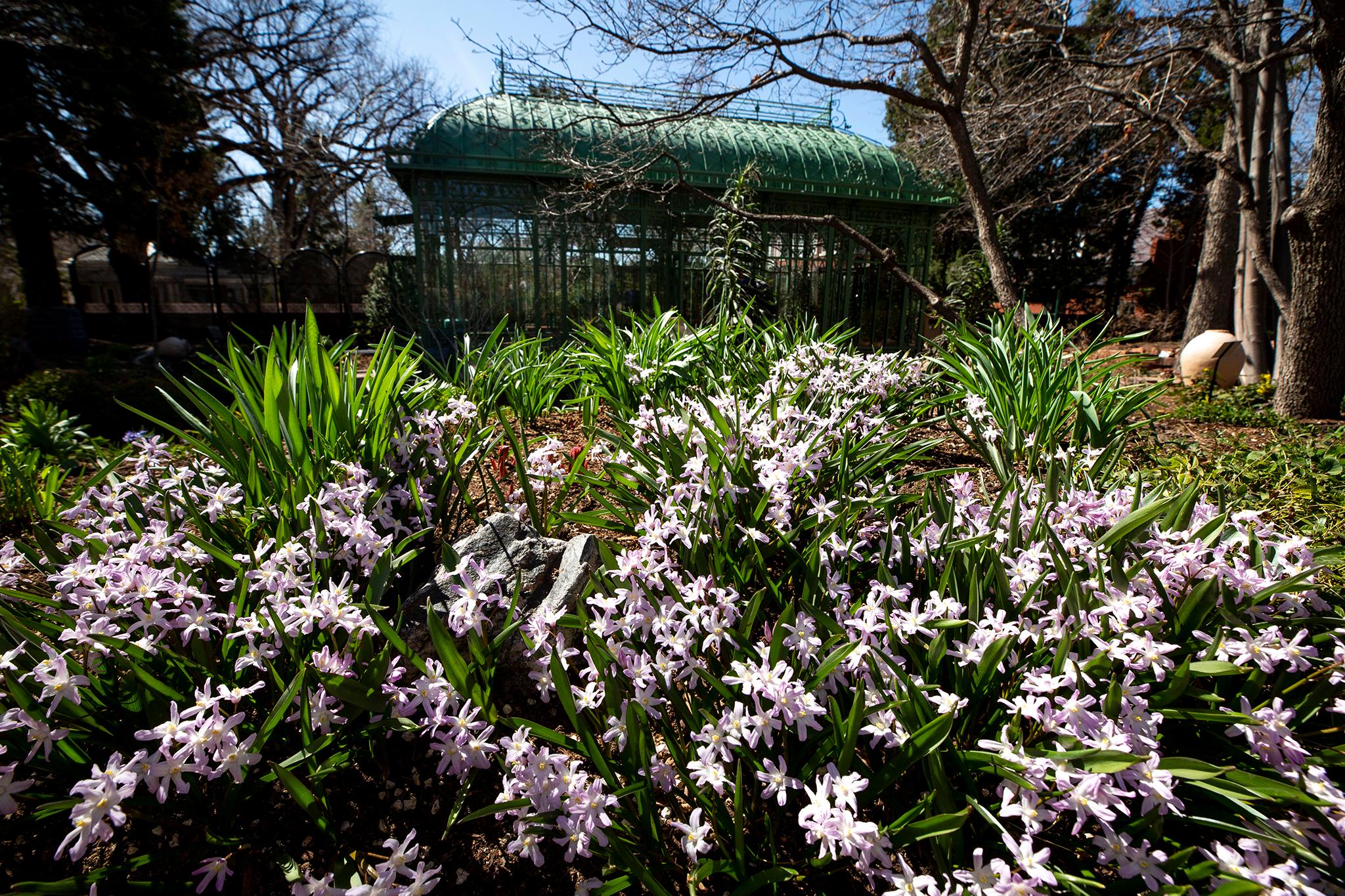
Are my plants going to die?
Denverites who broke the age-old local rule — no planting before Mother’s Day — may need to scramble.
Perennial plants, especially native plants, are probably safe from long-term damage from the freeze. Vegetables and herbs are in more trouble, said Karim Gharbi, horticulture specialist for Colorado State University Extension.
Luckily, Gharbi said those plants can be saved, but you have to hurry.
“My first recommendation would be to dig them up,” Gharbi said. “They probably haven't even rooted yet, so that it won't be that bothered by it.”
Plants that can be moved should come indoors. If they can’t move, Fort Collins Nursery suggests protecting them with:
- Sheets or other cloth laid over plants. But be sure the fabric stays dry, or it could actually hurt the plants, CSU Extension warns!
- Buckets or other caps to cover plants at night
- Extra mulch where appropriate
If you cover plants with plastic or sheets, be sure to remove them quickly in the daytime.
Fruit trees could also be impacted. Trees that are blooming could have their buds damaged by the frost, which could reduce fruit output for the year.
“I think apricots are the most prone to this, followed by peaches, and then apples and pears and plums tend to be a bit more reliable — and I call them patient because they often wait to bloom so they don't get nipped by this frost,” Gharbi said.
Gharbi says that trees can be protected by wrapping them with burlap.
Even with a warm winter, Gharbi added, it’s unwise to plant before the last threat of a freeze has passed.
“Climate change just entails unpredictability,” he said.
I turned my sprinkler system on – what should I do?
Mike Hepp with Mile-Hi Sprinkler has been working on home irrigation systems for nearly four decades. He’s not too worried about the upcoming cold snap.
Even though many Denverites have turned on their sprinkler systems, he doesn’t expect this weekend’s freeze to burst underground sprinkler pipes.
“The ground has been thawed for a good month to maybe two months, and any of the lines that are underground with sprinkler systems should not freeze,” Hepp said.
Above-ground pipes or systems may be a different story. If any sprinkler pipes extend above-ground, Hepp advised wrapping them in thick blankets or cloths, followed by a layer of plastic.
“If you do that, then you will be protected and you should not have any problems with your system,” he said.
You may have noticed that large property owners like the city of Denver have turned on their sprinklers. Not to worry, city officials say: Denver Parks and Recreation is only currently running irrigation systems with pipes larger than two inches. Those larger systems are less susceptible to freezing.
“Anything 2 inches and smaller is ‘dropped.’ Meaning we drain all the water out of any part of the irrigation system above ground like a backflow. We don’t blow anything out this time of year, but we do drain things that are susceptible to damage,” wrote DPR spokesperson Stephanie Figueroa in a text message.