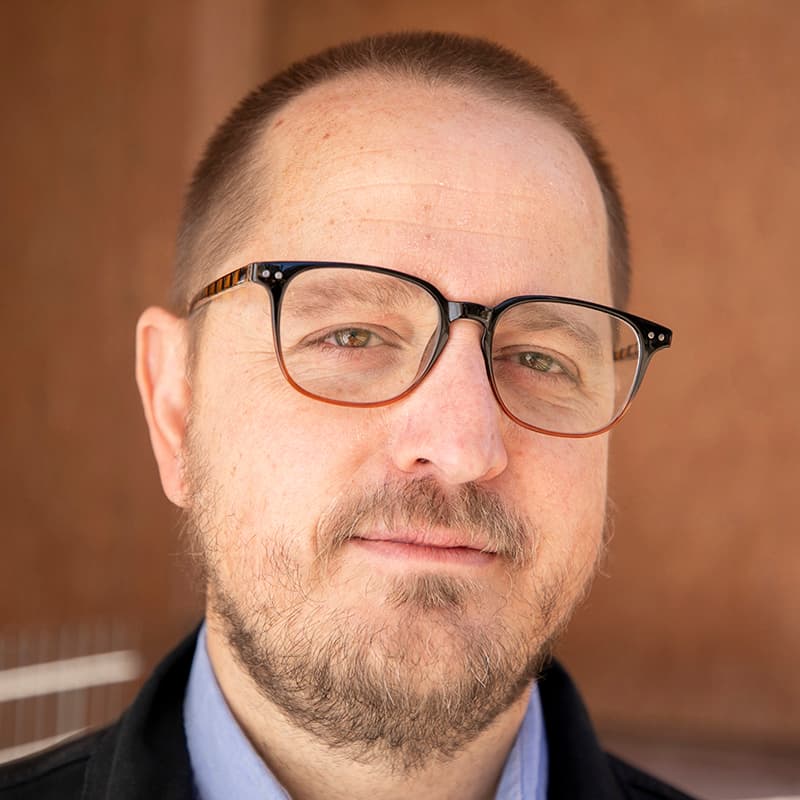

The Denver Police Department will soon rebuild and expand its 51-year-old station on Colfax Avenue. However, the plan is missing one obvious addition, according to neighborhood leader Frank Locantore.
Like most other police stations, it doesn’t have any affordable housing. Locantore, the head of the Colfax Avenue Business Improvement District, says the city is missing a major opportunity by sticking to the status quo.
Instead, he says, Denver should redraw the plan to make room for much-needed housing on city-owned land. Locantore, who has been trying to get answers about the project for years, is “baffled” by the design and the city’s lack of communication with the neighborhood.
The project is currently in the design phase and is unlikely to change in scope. Construction will likely begin next year and must be wrapped by 2027, according to the terms of the Elevate Denver bond.
The project, as planned, would offer more office space for DPD staff, larger interview rooms, a sally port, a community room, and better recording equipment. The goal is to make inmate management “more secure and efficient.”
New parking for police and visitors would consume twice as much space as the station itself, dominating the block between Washington and Clarkson streets and Colfax and 16th avenues. The development plan would leave little room for other uses.
When voters passed the Elevate Denver bond in 2017, the project was pitched as a way to “support the surrounding neighborhood and strengthen the Colfax corridor.” It’s budgeted for $25 million from the bond package.
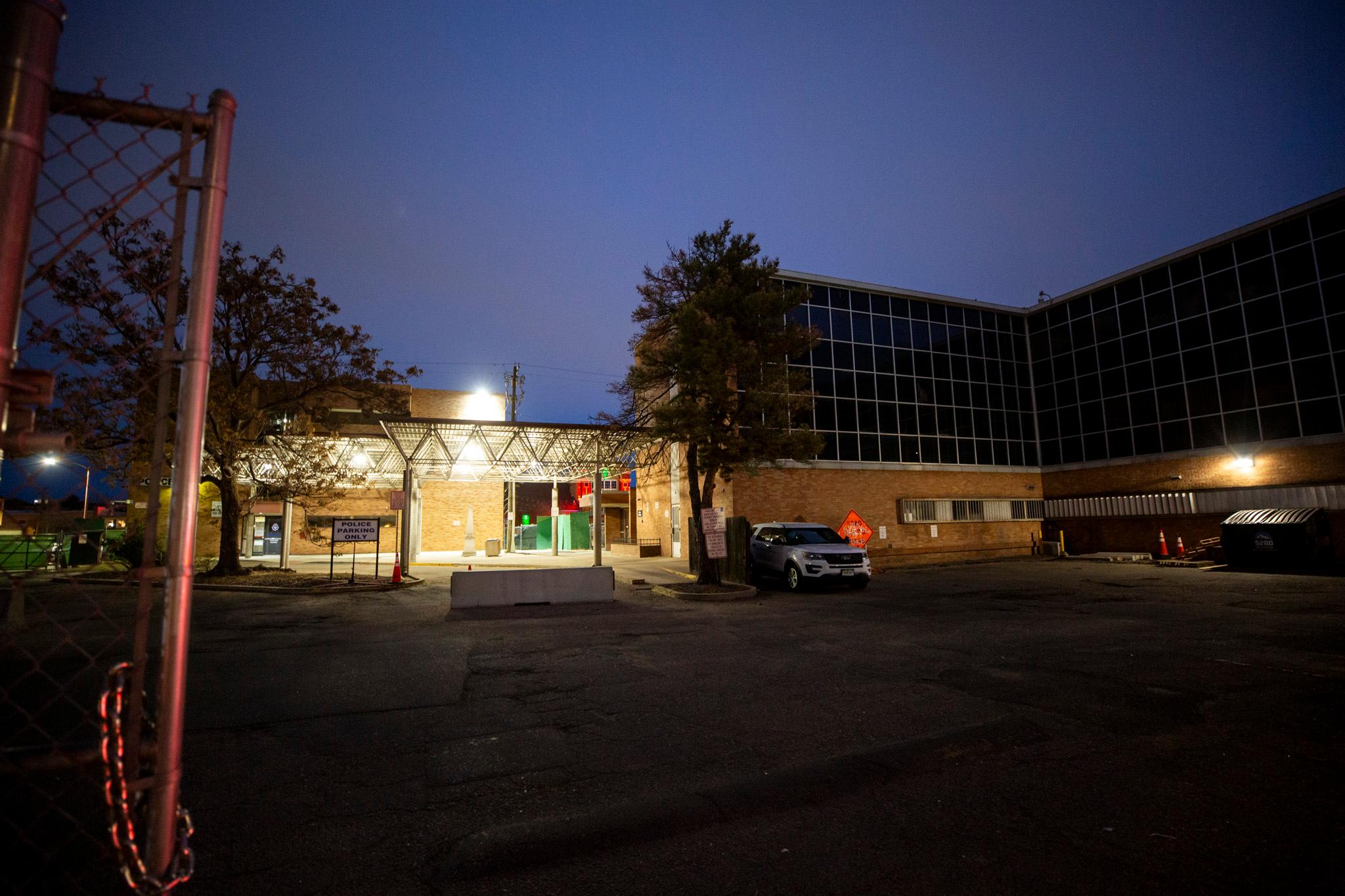
“The rehab of the District Six police station is sorely needed,” Locantore said. “It's a glorified haunted house at this point. The police deserve better.”
But he also wonders: Why not use the renovation as an opportunity to contribute to the vision of the neighborhood at large and build critical housing that would make the community more affordable?
The BID has its own vision for the block.
Instead of building a sprawling “ranch-style” police station, Locantore argues the city should build up and leave space on the block for “desperately needed” housing and ground-floor retail to drum up taxes for the city.
Locantore’s vision of housing and mixed-use development is exactly what the city has been calling for elsewhere.
But Locantore said the city isn’t listening. Community outreach – usually a part of new city development — hasn’t happened for the police station project since 2021, and back then it was about a different site, he said.
Locantore says he’s puzzled that city agencies — including DPD and the planning and infrastructure departments — aren’t listening to his suggestions.
“There's been zero public outreach about this,” he said.
But city officials say they have been speaking at length with Locantore about his ideas.
“While we are actively working on adding housing on Colfax and across the city, it was determined that this particular development is not the right fit for housing because the police department needs the entire space to meet the needs of a growing community,” wrote Department of Finance spokesperson Laura Swartz.
Locantore has ideas.
The police station, as described in city plans, takes up too much of the block with ground-level parking for visitors and officers alike, he argues.
Locantore is also frustrated that the city isn’t taking the opportunity to redevelop the city-owned Pharmacy Building, with the large Vision Zero mural painted on it, which has stood vacant on the corner of the block for years. He has little hope it will be redeveloped if it’s not included in the police station project.
Locantore is not suggesting that the city build housing atop the police station. Instead, he wants to split the block in half.
The north side could be developed for the police, while the south side, adjacent to Colfax, could have housing and ground-floor retail. Instead of a wider two-story deck, he said, the city could elevate the parking up to five stories on a smaller parcel, leaving more land for development.
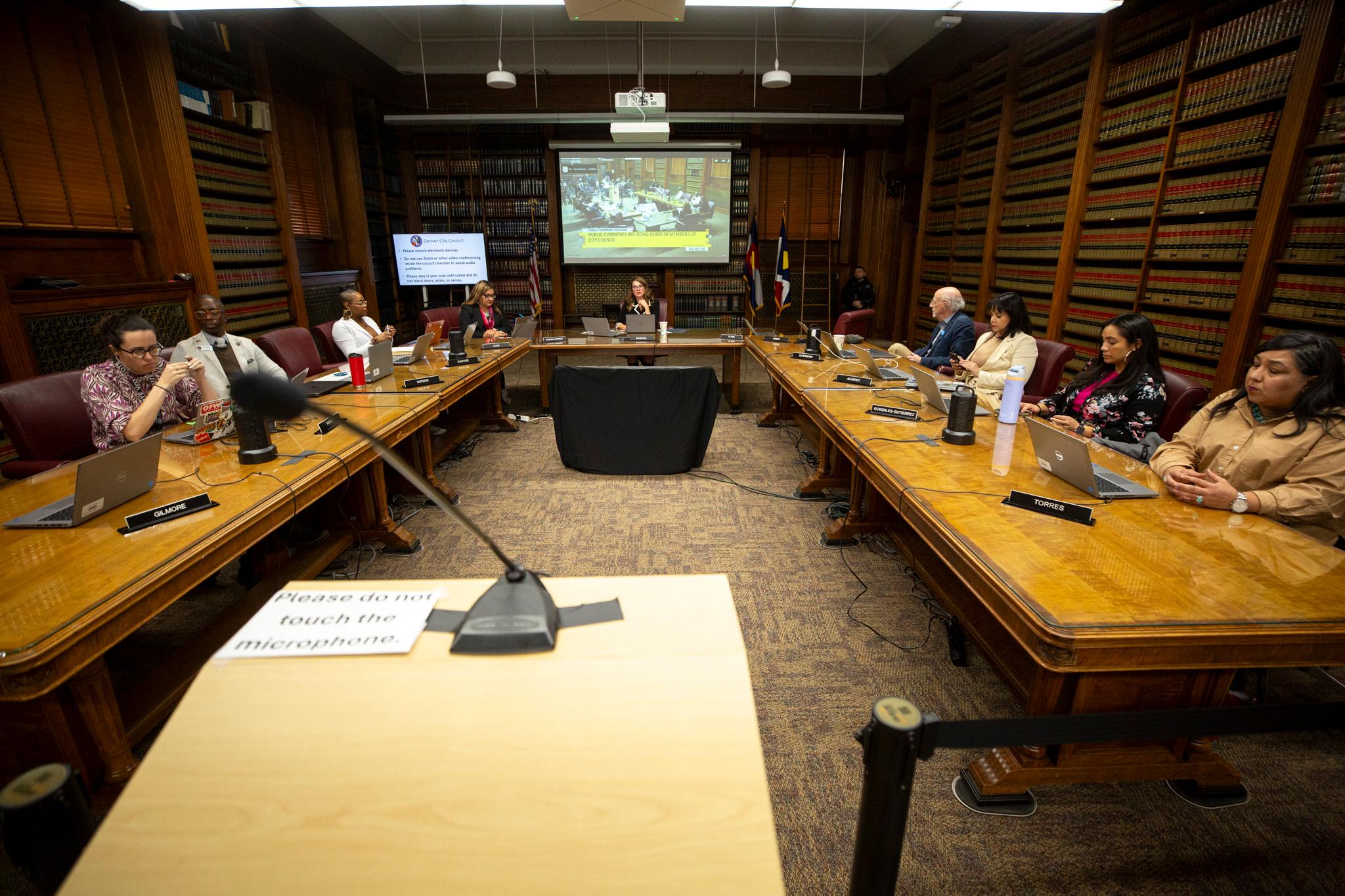
The Denver City Council recently approved an extension of a contract with project architect Roth Sheppard. Councilmember Sarah Parady commented on the lack of community engagement around the project.