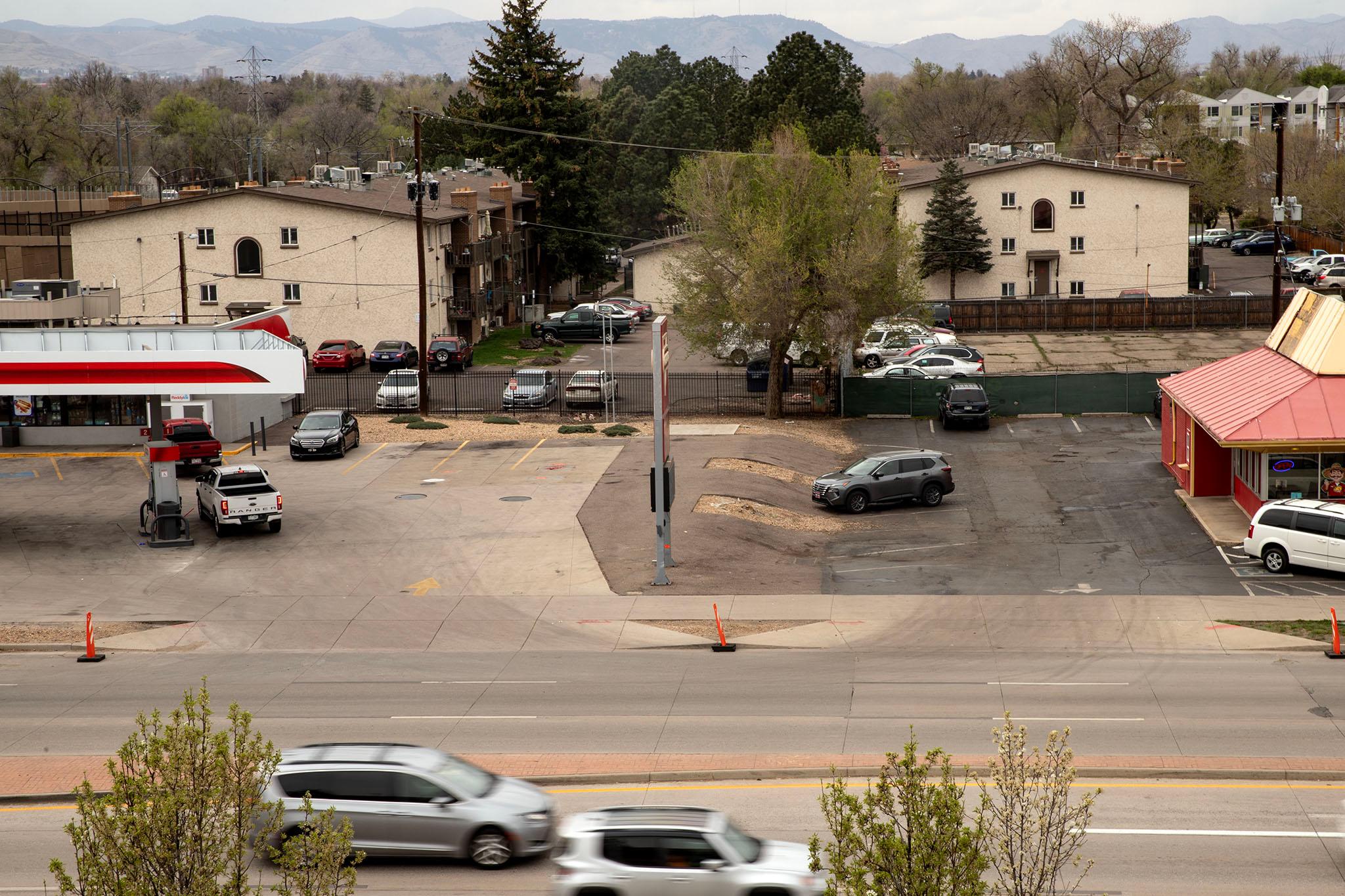
The Denver Regional Council of Governments (DRCOG) launched a nearly $200 million program this week to curb pollution and improve air quality by targeting buildings for improvements.
The Power Ahead Colorado program will use federal dollars to fund a mix of initiatives over the next four years to make the area’s homes, skyscrapers, factories and warehouses cleaner and more energy efficient.
Buildings are the largest contributor to the metro area’s pollution, followed by emissions from cars and trucks, according to DRCOG. For years, the Front Range has been in violation of federal air quality standards, while Denver occasionally has the worst air quality in the world.
Building emissions come from burning fossil fuels like natural gas to heat millions of square feet, or by relying on inefficient technology, like baseboard heating. Downtown Denver is also dotted with huge, city-owned buildings that rely on steam — created by burning natural gas — to stay toasty.
The ultimate (and lofty) goal, according to program manager Robert Spotts, is to improve regional air quality and decrease diseases like asthma, all by transforming the HVAC market.
“By tackling the challenge from many angles, and by demystifying heat pumps and their benefits, we can improve indoor comfort, outdoor air quality and health outcomes for everyone in the Denver metro region,” Spotts said in a statement.
To get there, DRCOG — which coordinates policy and programs across dozens of local governments — will spend millions of federal dollars to get residents, contractors and officials on board with heat pumps.
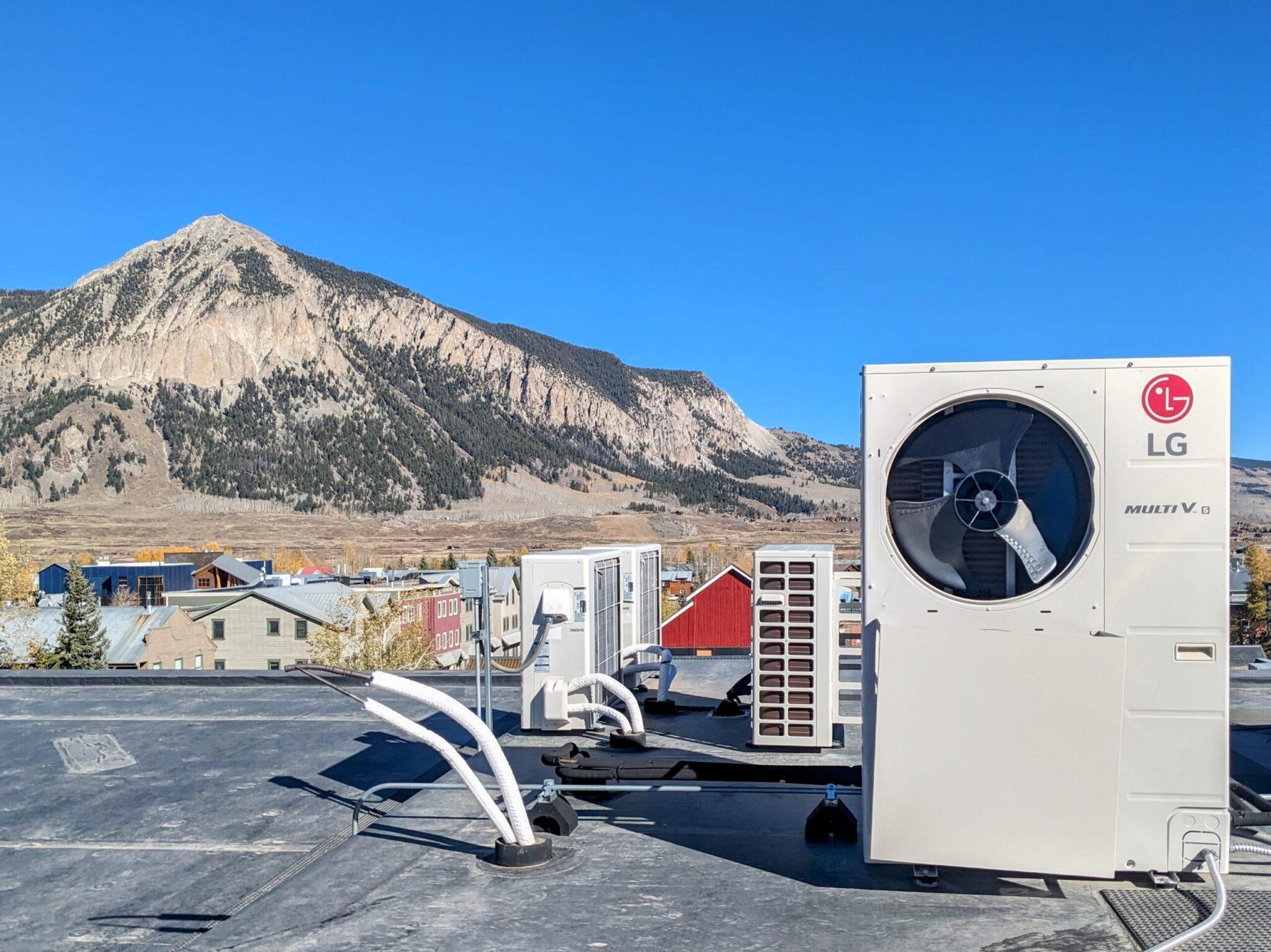
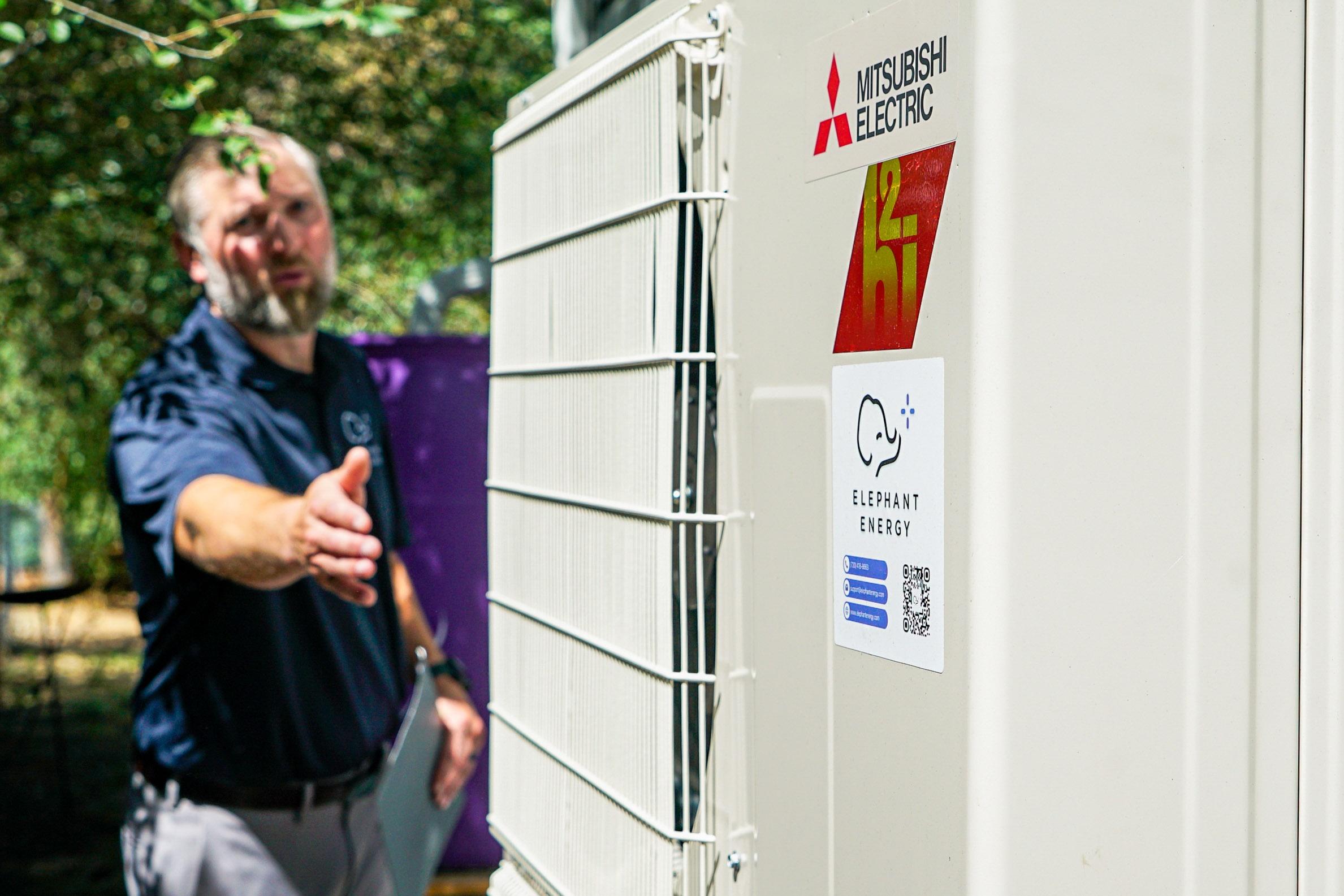
Those are electrical appliances that can both heat and cool homes, and are more efficient than furnaces or air conditioners. Heat pumps now even outsell furnaces in parts of the country, but remain an expensive novelty for some contractors and building owners, according to Spotts.
The program joins a crowded field of state and local incentives for building electrification and tools to navigate rebates. Spotts said the program’s benefits will combine with other rebates, like those from Xcel Energy or the state.
Low-income homeowners could average $20,000 in upgrades
Power Ahead Colorado is spending millions on marketing and ad campaigns to spread the word about heat pumps. But the bulk of the money goes toward the literal nuts and bolts of installing them.
A hefty $40 million of the program will provide incentives to building owners to buy heat pumps, which can be combined with other state and utility rebates. DRCOG said in a statement that it was still developing the incentives, which could start at $1,000 but be much larger for commercial or multifamily buildings.
The group also launched the Colorado Contractor Hub, which connects qualified contractors with owners looking for upgrades. It also will launch a hotline for owners, where program staff will answer questions about quotes or installation.
Another nearly $50 million will go toward fully paid upgrades to affordable housing or to low-income homes. That work includes heat pump installation and “weatherization” upgrades, which can increase a home’s efficiency.
That program could provide around $20,000 in upgrades on average to residential units, though that amount will vary widely depending on the type and needs of each building.
The program aims to train nearly 5,000 workers and contractors to install the pumps by partnering with groups like Denver Workforce Development. Eventually, the program will also provide electrician, pipe-fitting and other training directly to “justice-impacted” residents — like incarcerated people with low-level convictions.
The program will also dole out more than $30 million to DRCOG’s member cities to update their building codes.
Right now, rules governing heat pump installation and electrification are a patchwork, Spotts said. The grants will provide cities dedicated staff, legal support and model codes to make the region’s codes more uniform.
“Updating codes is a really big job, and a lot of these local governments just don’t have capacity,” Spotts said.
The program is funded by a grant from the Environmental Protection Agency. Since the start of the Trump administration, the EPA has undermined climate science and cut funding for pollution-reduction efforts, triggering legal battles.
DRCOG’s funding for the program was briefly frozen last year, but since then, the organization has been able to access its grant and work directly with EPA staff, according to Chris Selk, a DRCOG program manager.
“There are other grant recipients who haven't been this lucky, and we're just extremely fortunate that we've been able to carry on this work,” Selk said.