Despite a city-wide Vision Zero goal to end traffic-related deaths and serious injuries by 2030, Denver appears to be sliding backwards.
2025 was a record year for street fatalities, with city data showing 93 deaths from car crashes. Pedestrians, drivers, passengers, motorcyclists, scooter riders and bicyclists all died on Denver’s roads. The previous record was in 2021, when 84 people were killed on Denver roads.
With fatalities climbing, city transportation officials promised a comprehensive review of street safety. And they said the city would soon install permanent speed cameras on Federal Boulevard and Alameda Avenue.
'Where is the failure?'
During a presentation Wednesday to Denver City Council’s transportation committee, city transportation officials said while 2025 was bad, it could have been worse without the improvements the city did install, like speed limit reductions, high-visibility crosswalks and more.
But the Denver Department of Transportation and Infrastructure couldn’t specify a reason that deaths spiked last year.
“Where is the failure? Why did those numbers go up?” asked Councilmember Paul Kashmann. “What are we missing? Are we not spending enough on speed cushions? Should we be narrowing roadways? What the heck?”
“That's what we're going to be sitting and also doing some additional thought and analysis and why we do these rapid responses,” DOTI Director Amy Ford replied.

Ford said there are three factors that could influence road safety: behavior, infrastructure and services. The department will look at “everything that we are doing.”
That will include DOTI employees who aren’t traffic safety experts.
“We are going to expand it actually to all of DOTI. So our inspectors who are in the field, our solid waste drivers who are out, our team members who come and go to work, we are going to be talking with them and asking them because they are in their system, they are our eyes and ears in this system to help us think critically and creatively and looking at what they see,” she said.
DOTI teased its upcoming speed camera program.
Ford said that DOTI’s long-awaited speed camera program will be presented to Denver City Council soon.
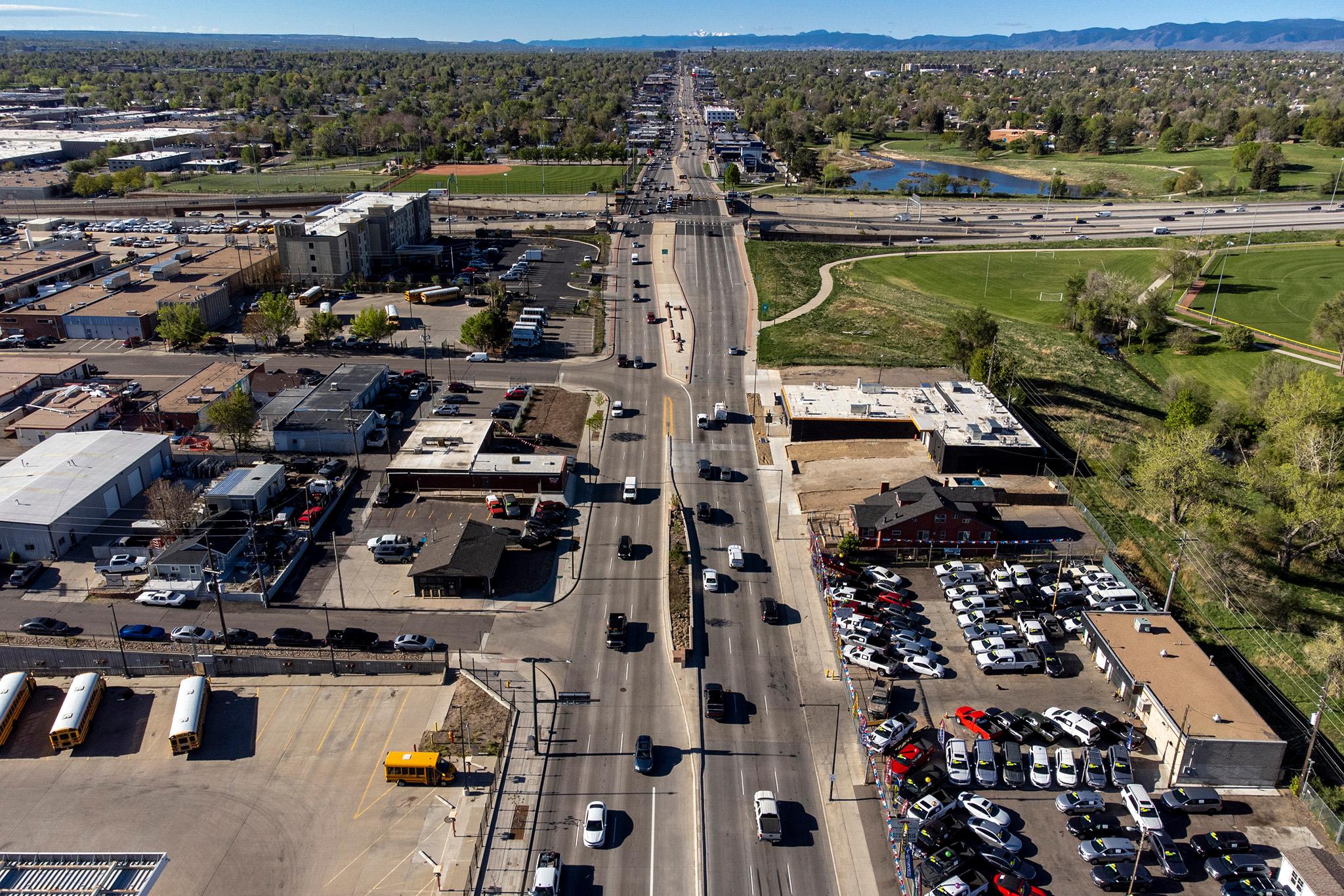
The department announced last year it would install permanent speed cameras on Federal Boulevard and Alameda Avenue, in an effort to curb crashes along two of Denver’s deadliest corridors.
Speed cameras would allow the city to automatically ticket speeding drivers. Currently, the city only uses speed cameras that operate out of vans, and only deploys them in limited areas. Cameras can draw backlash from drivers who may perceive them as a cash grab, or from civil liberties advocates who dislike surveillance. Safety advocates argue they are effective deterrents to speeding.
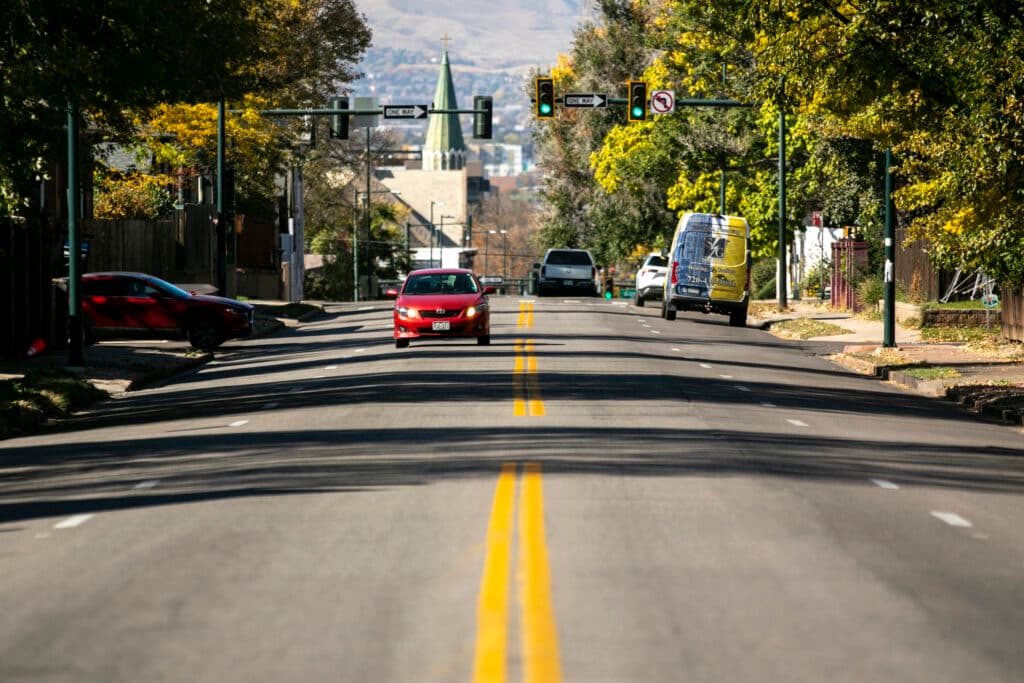
The department has spent the last year and half doing outreach with neighbors near those corridors. Surrounding neighborhoods are home to some of Denver’s lowest-income residents.
“We've been very deliberate in that process,” Ford said.
Ford said the department wants to ensure those communities aren’t disproportionately affected by fines, perhaps by affordability programs and ways to waive tickets.
The city has been under pressure from transit advocates to refocus on Vision Zero.
A series of decisions to water down street safety projects caused DOTI’s own citizen advisory board to lambast the department.
After DOTI walked back a finalized plan to narrow Alameda Avenue, members of the advisory board said it was the latest decision that undermined trust in the city’s dedication to Vision Zero.
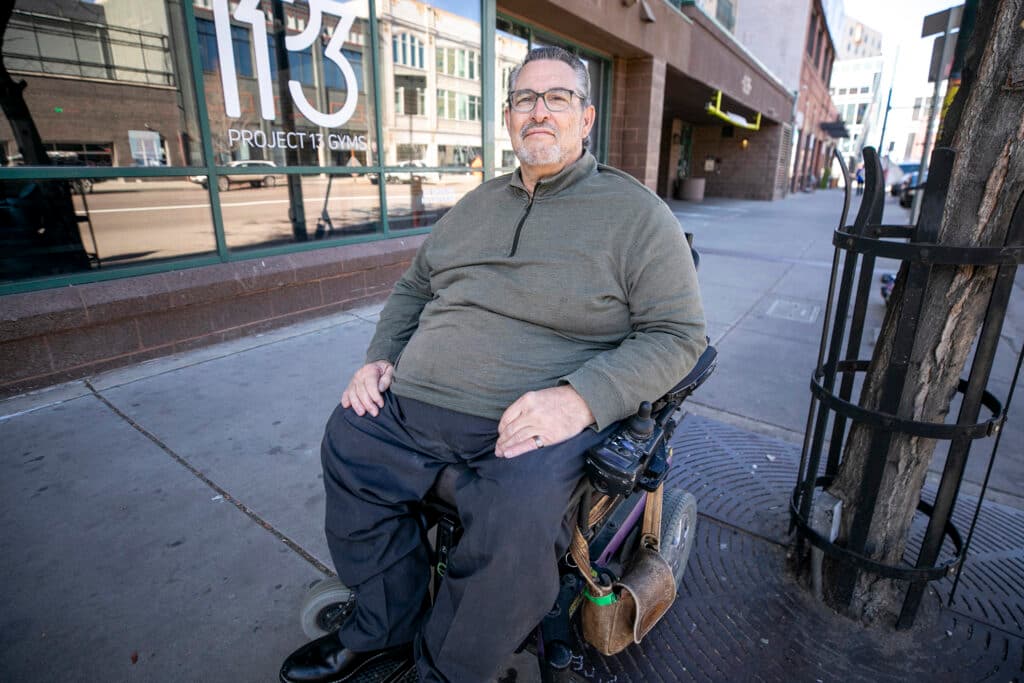
Jaime Lewis, a disability rights activist and long-serving member of the advisory board, resigned in protest over the decision. In his resignation letter, he said the Alameda decision mirrored projects on Market and Blake streets, a scrapped bike lane near Sloan’s Lake and more.
“All of a sudden these projects get changed at the last minute, and we're starting to see a very disturbing trend that it just seems like they're listening to the minority,” he said in November.
The city has since decided to test the original Alameda Avenue design, albeit on a smaller scale. DOTI will use data from that pilot to inform a final design of the corridor’s road diet.
Transit advocates also have protested decisions to reopen popular commercial blocks to cars, a perceived lack of funding for bicycle infrastructure in the 2025 Vibrant Denver bond, and more.